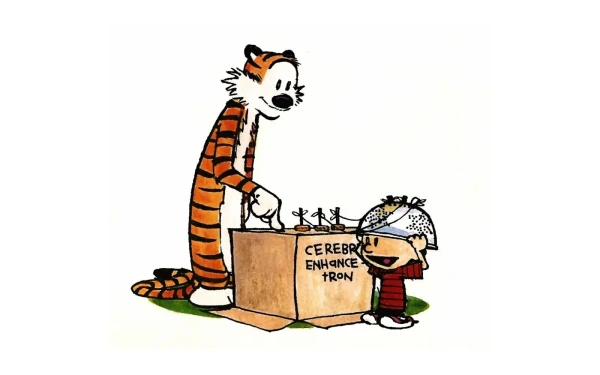
Bill Watterson’s beloved comic strip Calvin and Hobbes remains a towering achievement in cartooning, celebrated for its wit, philosophy, and artistic range. Spanning a decade and over 3,000 strips, Watterson built an enduring cultural touchstone centered on a wildly imaginative six-year-old boy and his sarcastic stuffed tiger.
Beyond the daily laughs, Watterson utilized the comic medium to explore complex philosophical questions, environmental conservation, and the boundless creativity of childhood. Whether the duo was careening down a steep hill in a little red wagon while debating the mechanics of luck, or confronting life's deeper mysteries, the writing consistently resonated on multiple levels.
Watterson also excelled at longer narrative arcs, turning routine suburban childhood conflicts—such as the arrival of the dreaded babysitter Rosalyn—into epic, multi-day sagas. Yet, his versatility truly shone through his jarring tonal shifts, moving effortlessly from heartfelt emotional beats to a hilariously dark sense of humor, most famously expressed through Calvin’s macabre and chaotic snowman sculptures.
Visually, while the strip often maintained a classic newspaper aesthetic, Watterson regularly elevated his craft with stunning, highly detailed illustrations whenever Calvin's imaginative dinosaur alter-ego took center stage. This willingness to experiment extended to breaking traditional comic formats and ultimately culminated in the strip's poignant, open-ended farewell on December 31, 1995—a masterclass in understated and unforgettable storytelling.