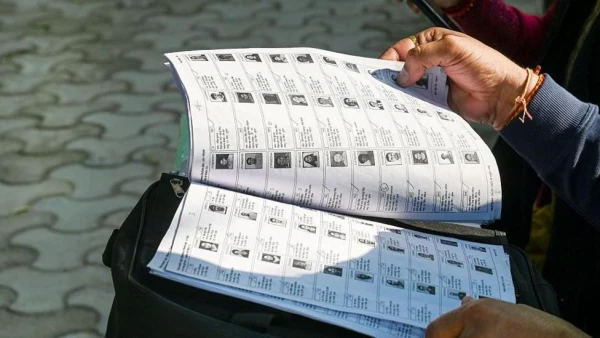
A sweeping electoral roll revision in India's West Bengal state has stripped voting rights from approximately nine million citizens—roughly 12% of the electorate—just weeks before crucial state elections. The move has ignited fierce political clashes and raised profound questions about democratic inclusion.
Among those affected is Muhammad Daud Ali, a 65-year-old former army technician who discovered his name and those of his three children had been removed from voter lists despite possessing valid identification documents. Only his wife remains registered.
"I am dumbstruck. I feel deeply hurt and insulted," Ali told reporters. "How can they conduct elections without solving our disputes? I simply have no idea who to seek justice from."
India's Election Commission describes the Special Intensive Revision (SIR) exercise as necessary to eliminate duplicate or outdated entries and ensure what Chief Election Commissioner Gyanesh Kumar calls a "pure electoral roll." However, the process has become deeply controversial, particularly in West Bengal where the ruling Trinamool Congress party (TMC) and the opposition Bharatiya Janata Party (BJP) are locked in a bitter standoff.
Of the nine million removed, over six million were classified as absentee or deceased voters. The remaining 2.7 million—including Ali's family—have been flagged as "doubtful voters" due to what election officials term "logical discrepancies" detected through new AI-driven verification systems. Their cases now await tribunal hearings.
Political scientist Sibaji Pratim Basu expressed grave concern about the situation: "There is no example of an election happening in India with voters' rights remaining suspended. Leaving out 2.7 million voters is such an absurd proposition. This is a shame for democracy."
Demographic analysis reveals significant disparities in the purge. Muslims constitute approximately 34% of those removed—3.11 million individuals—despite representing only 27% of West Bengal's population according to the 2011 census. Among the 2.7 million in limbo, political party data suggests about 65% are Muslim.
However, the impact extends beyond religious lines. In Kolkata's northern and southern sections, nearly 30% of voters were removed. Paschim Bardhaman district saw its electorate shrink by 16.9%, with about 80% of deletions affecting Hindus from Hindi-speaking communities with northern Indian roots.
Border districts with Bangladesh experienced particularly heavy deletions. North 24-Parganas alone lost 1.26 million voters (15%), while Murshidabad—India's most Muslim-populous district—saw 749,000 names (13%) struck off.
Federal minister Sukanta Majumdar, a BJP leader from West Bengal, defended the revision: "The constitution says only Indian citizens can choose prime ministers and chief ministers. Therefore, purging non-citizens was important."
When questioned about elections proceeding while 2.7 million voters remain in limbo, Majumdar blamed the state government for "slowing the process" through Supreme Court challenges.
West Bengal Chief Minister Mamata Banerjee has taken a different stance, alleging the exercise deliberately disenfranchises millions to benefit the BJP. "How can the elections start without solving the cases of 2.7 million voters?" she asked at recent campaign rallies, vowing to return to the Supreme Court.
The court has agreed to hear the case on April 13, just days before voting begins on April 23 and 29, leaving a narrow window for potential resolution.
With West Bengal holding the fourth-highest number of parliamentary seats in India and governed by the TMC since 2011, the state represents a crucial electoral prize that the BJP has yet to secure. The voter roll controversy has now eclipsed nearly all other campaign issues, transforming what was intended as an administrative cleanup into a defining democratic crisis.