Global oil prices have plummeted and stock markets have surged following a breakthrough agreement between the United States and Iran for a conditional two-week ceasefire, which includes the reopening of the crucial Strait of Hormuz.
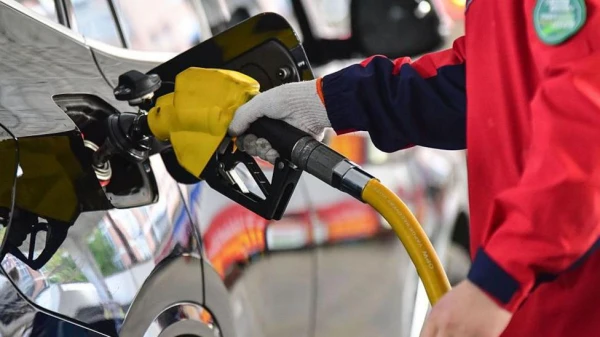
The price of Brent crude, a key global benchmark, dropped sharply by approximately 15.9% to $92.30 per barrel. Similarly, US-traded oil fell nearly 16.5% to $93.80. Despite this significant decline, current prices remain elevated compared to pre-conflict levels, when oil was trading around $70 per barrel before tensions escalated on February 28.
Energy costs had soared as Middle Eastern oil and gas supplies faced severe disruption after Iran threatened to attack vessels attempting to navigate the strait in retaliation for US and Israeli airstrikes.
Major stock indexes across the Asia-Pacific region rallied in Wednesday morning trading. Japan's Nikkei 225 climbed 4.5%, while South Korea's Kospi exchange surged 5.5%. Both nations have been particularly vulnerable to the economic impact of the Iran conflict due to their heavy reliance on Gulf energy imports.
In a social media statement on Tuesday evening, former US President Donald Trump announced, "I agree to suspend the bombing and attack of Iran for a period of two weeks... subject to the Islamic Republic of Iran agreeing to the COMPLETE, IMMEDIATE, and SAFE OPENING of the Strait of Hormuz." He had previously set a deadline of 20:00 EDT on Tuesday (00:00 GMT Wednesday), warning that "a whole civilisation will die tonight" if no agreement was reached.
Iranian Foreign Minister Abbas Araghchi responded via social media, stating that Tehran would consent to a ceasefire "if attacks against Iran are halted," and confirming that safe passage through the Strait of Hormuz "will be possible."
Market analysts suggest that despite his aggressive rhetoric, Trump was likely cautious about allowing energy prices to "skyrocket" by escalating hostilities. Xavier Smith from market research firm AlphaSense noted that such a move could have resulted in a "self-inflicted economic wound" that few leaders would risk, especially given the political pressures of approval ratings.