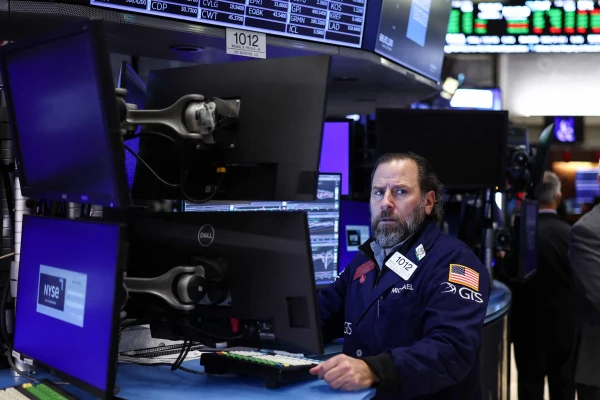
Oil prices shot up to a four-year high on Thursday amid fears of escalating Middle East hostilities, but reversed course to close sharply lower. Meanwhile, Wall Street surged to fresh all-time highs, buoyed by solid corporate earnings and resilient U.S. economic growth.
The S&P 500 gained 1%, and the tech-heavy Nasdaq Composite rose 0.9%, both closing at record levels. Optimism around corporate profits and steady economic expansion drove the rally.
"A lot of that comes down to corporate profits," said Angelo Kourkafas of Edward Jones. He noted that U.S. GDP data "continues to defy fears of a near-term slowdown," helping propel stocks to new highs.
The U.S. Commerce Department estimated the economy grew at an annualized rate of 2.0% in the first quarter of 2026, fueled by a surge in artificial intelligence investments, though consumer spending cooled.
International benchmark Brent crude briefly soared to $126 a barrel before closing 3.4% lower at $114.01. Prices remain significantly above levels before U.S.-Israeli strikes targeting Iran in late February.
Markets were rattled after President Donald Trump warned the U.S. blockade of Iranian ports could last months and reports emerged that he would be briefed on potential fresh military strikes.
"Fears about escalation in the conflict between the U.S. and Iran fueled the initial move higher before the market calmed down," said Kathleen Brooks, research director at XTB. The expiration of monthly contracts also added to volatility.
European stock markets closed higher, taking cues from mostly positive earnings from U.S. tech companies. Alphabet shares jumped 10% as investors praised its pivot to artificial intelligence and solid revenue. However, Meta shares slumped 8.6% amid concerns over its massive AI spending. Apple reported after the bell, beating earnings forecasts on strong iPhone demand; its shares rose 4.7% in after-hours trading.
Central banks remained in focus. The Federal Reserve held interest rates steady due to elevated inflation from the Middle East war. The European Central Bank and Bank of England also held rates steady. The ECB warned that risks to eurozone growth and inflation have "intensified" because of the conflict and its impact on global energy supplies. The Bank of England cut its growth forecast for the UK.