Oil prices have soared to their highest level since 2022, following a report that President Donald Trump is set to be briefed on new military options against Iran. According to Axios, US Central Command has prepared a plan for a series of "short and powerful" strikes aimed at breaking the deadlock in negotiations with Tehran. The BBC has reached out to US Central Command and the White House for comment.
Brent crude briefly surged nearly 7% to over $126 per barrel, the highest since Russia's invasion of Ukraine, before retreating to around $116 in European trading. The spike comes as peace talks appear stalled and the Strait of Hormuz, a critical waterway for global oil shipments, remains effectively closed.
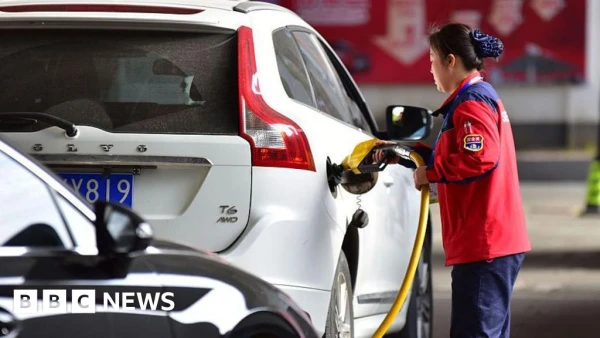
The rising oil prices are already hitting consumers at the pump. In the UK, petrol now averages 157p per litre, up 24p from pre-war levels, while diesel stands at 188.5p—46p higher, according to the RAC. Simon Williams, RAC's head of policy, noted that wholesale petrol costs are at their highest since the war began, though diesel prices could still drop further.
Beyond fuel, the UK government has warned of knock-on effects on energy, food, and flight prices. Some airlines have raised fares or reduced flights, and fertilizer costs are climbing, potentially pushing up food prices later this year.
The Axios report, citing anonymous sources, suggests the proposed strikes would likely target infrastructure, with another plan involving ground troops to secure part of the Strait of Hormuz for commercial shipping. Iran's Supreme Leader Mojtaba Khamanei responded by stating Tehran would secure the strait and eliminate "the enemy's abuses of the waterway."
Analysts warn that sustained high oil prices could fuel inflation and economic jitters. Naveen Das of Kpler noted that prices near $125 per barrel could prompt de-escalation efforts. Susannah Streeter of Wealth Club cautioned that costs might remain elevated into next year, impacting everyday goods through supply chains.
Meanwhile, energy executives met with Trump on Tuesday to discuss mitigating the war's impact on US consumers, signaling concerns over prolonged disruptions. Stock markets in Asia closed lower, while European indexes showed mixed results.