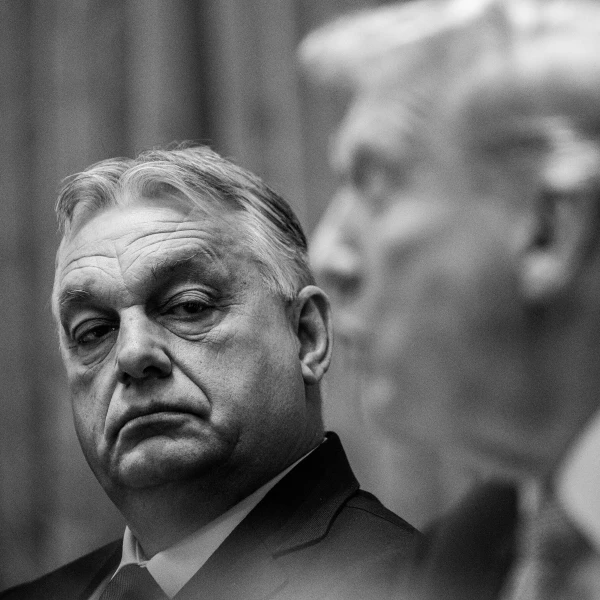
Hungarian Prime Minister Viktor Orban's political trajectory offers a stark warning to international leaders considering close alignment with former U.S. President Donald Trump, according to political analysts observing shifting global alliances.
Orban, once celebrated by conservative movements worldwide for his nationalist policies and border controls, now faces mounting domestic challenges and international isolation. His government's recent struggles with economic stagnation and diplomatic tensions with European Union partners have exposed vulnerabilities in his political model.
"The Orban experiment demonstrates the risks of tying one's political fortunes too closely to a single foreign leader," noted Dr. Elena Kovacs, a Central European political historian at the University of Budapest. "When that leader's influence wanes or their priorities shift, allied governments can find themselves stranded without the international support they anticipated."
European diplomats report that Orban's government has become increasingly isolated within EU councils, with traditional allies distancing themselves amid concerns about democratic backsliding and rule-of-law violations. This isolation comes despite Orban's previous positioning as a bridge between Eastern and Western political currents.
"Political alliances built primarily on personal relationships rather than shared institutional values tend to be fragile," observed Markus Weber, a Berlin-based foreign policy analyst. "Orban's experience suggests that leaders who anchor their international standing to individual politicians rather than enduring principles may face abrupt recalibrations when political winds change."
The Hungarian leader's predicament has drawn attention from political strategists worldwide, particularly those advising conservative movements. Some see parallels with other governments that closely aligned with Trump during his presidency, only to face diplomatic and economic challenges after his departure from office.
Economic indicators show Hungary grappling with inflation rates exceeding EU averages and slowing growth, complicating Orban's domestic political standing. Meanwhile, the European Commission has frozen billions in recovery funds over concerns about judicial independence and anti-corruption safeguards.
Analysts suggest Orban's situation illustrates a broader pattern in contemporary geopolitics: the potential pitfalls of personalized diplomacy in an era of rapidly shifting international alignments. As global power dynamics continue to evolve, the Hungarian case serves as a cautionary example for political leaders navigating complex alliance networks.
"The fundamental lesson from Budapest is that sustainable international positioning requires more than temporary political affinities," concluded Kovacs. "It demands institutional relationships, shared strategic interests, and diplomatic flexibility that can withstand leadership changes in partner nations."