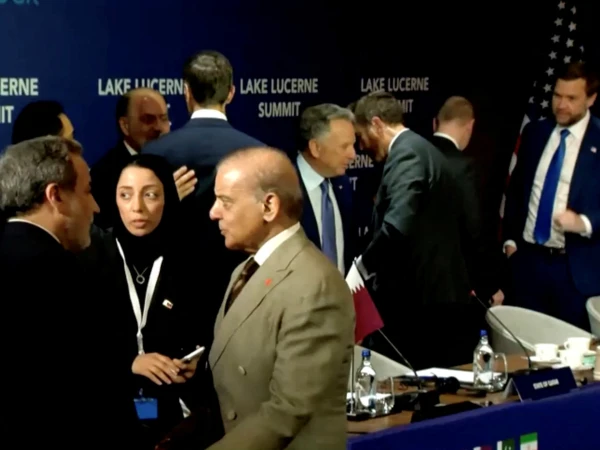
Islamabad, Pakistan – Pakistani Prime Minister Shehbaz Sharif signed a memorandum of understanding (MoU) between the United States and Iran on June 17, aiming to extend a ceasefire and create a pathway toward long-term peace. The agreement was the high point of weeks of intense diplomatic efforts led by Pakistan, with Sharif acting as mediator.
Yet less than four weeks later, Pakistan's Ministry of Foreign Affairs has issued two statements expressing deep concern over renewed US-Iran hostilities, and the MoU Islamabad helped broker appears to be in tatters. On Monday, the US launched a new series of attacks on Iran, which retaliated by firing missiles and drones at multiple Gulf and Arab nations it accuses of hosting US military bases.
Iranian Foreign Ministry spokesman Esmaeil Baghaei told reporters that mediators—including Pakistan, Qatar, and Oman—remain engaged and are continuing their efforts, even as he warned that Iran would continue responding to what it views as US non-compliance with the MoU. So far, those efforts have failed to slow the fighting, despite Pakistan's persistent diplomatic outreach.
On Sunday, Deputy Prime Minister and Foreign Minister Ishaq Dar spoke by phone with Iranian Foreign Minister Abbas Araghchi, stressing that dialogue and diplomacy remain the only viable path to resolving the crisis. Prime Minister Shehbaz Sharif also spoke to Iranian President Masoud Pezeshkian on Friday, warning that hard-earned peace gains are at risk, while Dar held a separate call with Saudi Foreign Minister Prince Faisal bin Farhan Al Saud.
Analysts question whether Pakistan or other mediators like Qatar can bring Washington and Tehran back to the negotiating table, given the deepening distrust between the two nations. The renewed fighting marks at least the third time the US-Iran ceasefire signed on April 8 has appeared to collapse. Days after that truce, the breakdown of the first round of Islamabad talks led to a US naval blockade on Iranian ships in the Strait of Hormuz, with both sides attacking ships in the days that followed.
After the June 17 MoU, Iran attacked several ships it claimed were passing through the Strait of Hormuz without permission, prompting another escalation. Last week's Iranian tanker strikes raised tensions further. US attacks on Iran since then have hit at least 10 provinces, killing a soldier, several fishermen, and a firefighter, according to Iranian authorities. A railway bridge linking Iran with Central Asia and China was also struck.
The renewed hostilities have drawn Qatar more directly into the conflict. On Sunday, Iranian missiles and drones hit the Gulf state, with debris from interceptions injuring three people, including a child. Iran has accused Washington of violating nearly all parts of the June agreement within 25 days, citing attacks on transport infrastructure and fishing vessels. Baghaei said Iran had acted in good faith but that each time the other party fails to meet its obligations, Iran will not uphold its own.
Since the war began on February 28, Islamabad has played a mediator role. It hosted talks in April—the first time in four decades that US and Iranian officials sat in a room together. Pakistan's army chief and interior minister have traveled to Tehran several times. In late March, Pakistan helped secure a Chinese-backed peace framework alongside its own diplomatic efforts.
Yet analysts say Pakistan lacks the means to enforce the agreements it helps broker. Javad Heiran-Nia, director of the Persian Gulf Studies Group at the Center for Scientific Research and Middle East Strategic Studies in Tehran, said the MoU was never intended to resolve the underlying dispute. "The MoU deferred key and substantive issues to future negotiations and functioned primarily as a tactical instrument to halt hostilities and reopen the Strait of Hormuz to international shipping," he said. Iran sees control of the waterway as a strategic asset and appears prepared to accept the risk of war to preserve this advantage.