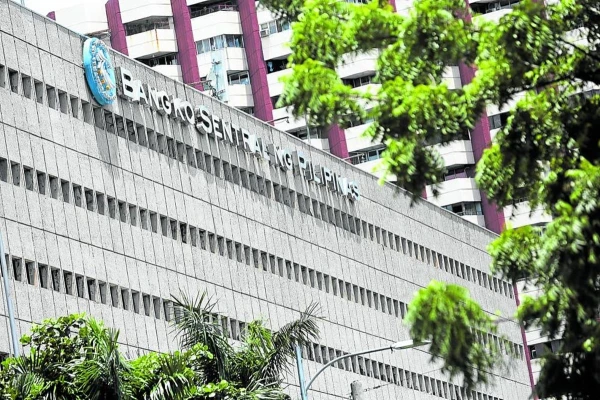
The Bangko Sentral ng Pilipinas (BSP) is advancing a comprehensive revision of its bank lending regulations, aimed at empowering financial institutions to more accurately evaluate credit risks and calculate capital reserves for potential losses.
Seeking feedback from the banking sector, the central bank has released a draft circular designed to harmonize its credit risk capital requirements with the international Basel III framework, tailored to fit the domestic financial landscape.
Under the proposed guidelines, lenders will be required to allocate varying amounts of capital depending on the risk profile of their loans—setting aside heavier reserves for high-risk ventures while reducing burdens for safer exposures. The initiative introduces refined, risk-sensitive classifications for bank exposures, recalibrated risk weights, and enhanced credit risk management protocols.
Key components of the sweeping regulatory proposal include:
- Interbank Exposures: Lenders interacting with peers will apply distinct risk weights to short-term versus regular transactions based on the borrower's credit rating. Unrated borrowing banks will be categorized under a new three-tier system determined by financial health.
- Local Government Units (LGUs): To stimulate countryside financing, banks serving as depository institutions for an LGU’s National Tax Allotment can apply a reduced risk weight of 20 percent, provided the LGU adheres to strict statutory borrowing limits and debt-service ceilings.
- Corporate and Specialized Lending: The framework establishes a clear boundary between general corporate credit and specialized financing, such as infrastructure, power generation projects, and asset acquisitions. Project finance risk weights will hinge on operational readiness, while object and commodities finance will carry a standardized 100 percent weight.
- MSMEs and Consumer Credit: Micro, small, and medium enterprises with stellar 12-month payment histories will benefit from a lowered risk weight of 45 percent, down from 75 percent. Similarly, qualifying retail consumer loans—including credit cards and auto loans in good standing—will see their risk weights slashed from 100 percent to 45 percent, excluding real estate.
- Real Estate Loans: The BSP plans to scrap the ceiling that caps recognized real estate collateral value at 60 percent of appraised worth. Instead, lenders will deploy a loan-to-value (LTV) ratio system to gauge risk weights, granting better insight into borrower equity and default cushions.
Following the implementation of the circular, banks will undergo a one-year monitoring period, during which they must submit regular risk-based capital adequacy ratio reports to the central bank.