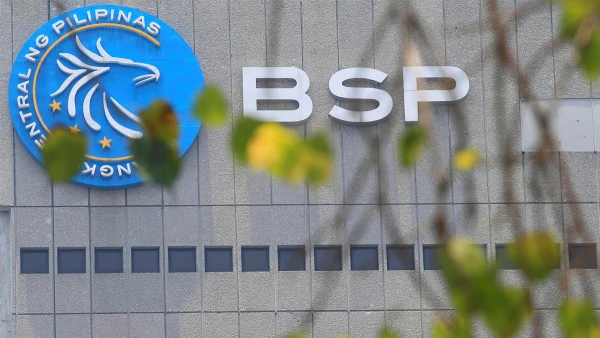
The Bangko Sentral ng Pilipinas (BSP) is taking a significant step to encourage banks to finance more climate-resilient housing projects by proposing a reduction in capital requirements for sustainable home loans. This initiative aims to align financial sector activities with the country's climate and development objectives.
Under the draft circular currently open for industry feedback until April 17, sustainable housing loans would receive a 20 percent credit risk weight—substantially lower than the current 50 percent risk weight applied to standard residential mortgages. This regulatory adjustment would allow banks to allocate less capital as reserves against these loans, effectively lowering their financing costs for green housing initiatives.
"The domestic market for sustainable housing loans remains nascent, with only a limited number of banks offering dedicated green home financing," the central bank noted, highlighting the need for targeted measures to stimulate market growth.
Despite the Philippines' high vulnerability to climate-related disasters, most existing green home financing options focus primarily on renewable energy components like solar panel installations. The BSP's proposal establishes formal definitions and eligibility criteria for sustainable housing loans, providing clearer regulatory guidance for financial institutions developing such products.
This regulatory shift represents part of a broader strategy to incentivize climate-resilient construction and better integrate environmental considerations into the banking sector's lending practices.