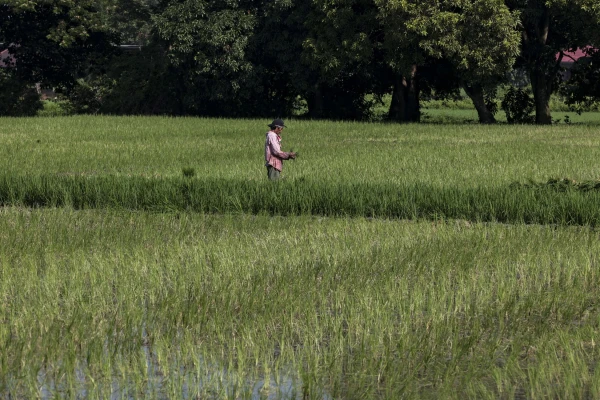
The Philippine government is rolling out a bold plan to modernize its farming sector, betting on mechanization to protect farmers from soaring fuel prices, climate shocks, and productivity gaps.
Agriculture Secretary Francisco Tiu Laurel Jr. made the announcement as global tensions threaten to inflate oil costs and disrupt food supply chains. The looming threat of a severe El Niño by late 2026 further intensifies concerns over agricultural disruptions, pushing officials to act swiftly.
Speaking at the inaugural Asia-Pacific Conference on Sustainable Agricultural Mechanization 2026, Tiu Laurel emphasized that mechanization must be more than just distributing tractors and harvesters. "True agricultural transformation requires more than machines—it demands skills, financing, and support," he said. "A tractor sitting idle because no one can afford it, a harvester gathering dust due to missing parts, or equipment lying unused because no one knows how to operate it will not solve our problems."
The government’s strategy hinges on four pillars: affordable financing, accessible spare parts, trained operators, and reliable after-sales services. Tiu Laurel stressed that investing in these areas is just as critical as acquiring the machinery itself. "We need policies that make technology accessible, financing that farmers can afford, and services that keep equipment running," he added.
Women and young farmers are also being positioned as key drivers of this shift, not just as beneficiaries but as innovators shaping the future of Philippine agriculture. The Department of Agriculture is calling on the private sector to collaborate in building a sustainable, mechanized farming ecosystem that can withstand economic and environmental pressures.
As the country braces for climate-related challenges, this push for smart mechanization could redefine the resilience of its agricultural sector—and the livelihoods it supports.