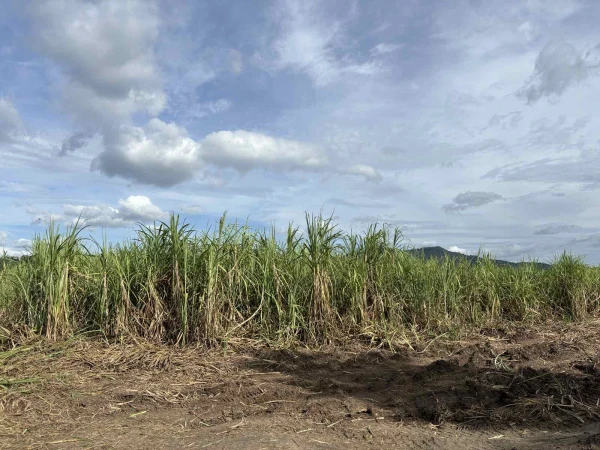
The Department of Agriculture (DA) is intensifying efforts to curb the destructive red-striped soft scale insect (RSSI) by mass-producing a naturally occurring fungus to protect sugarcane farms.
Agriculture Secretary Francisco Tiu Laurel Jr. announced the production of biological control agents to combat the pest infestation in Negros, where RSSI has already affected over 4,600 hectares.
"I told SRA to address the RSSI infestation head on. We have the technology and the capability to produce the biocontrol agent to do so," Tiu Laurel said during the Sugar Regulatory Administration's (SRA) 40th anniversary celebration.
The biocontrol agents, which are living organisms that suppress the pest, are expected to cover at least 75,000 hectares. These will be produced by the Bureau of Plant Industry laboratories and other DA facilities.
Deploying Drones
Last week, the SRA began drone-based insecticide application in Barangay Camandag, La Castellana, Negros Occidental, covering 3.43 hectares of sugarcane farms. The move aims to reduce pest populations, limit crop damage, and boost productivity while protecting existing crops.
The SRA said it will use drone technology to address the proliferation of RSSI across sugarcane-growing regions.
Infestations in Negros Occidental and Negros Oriental may exceed 30% of planted areas, with about 4,600 hectares verified so far. Reports from industry sources suggest the pest may have spread to Iloilo, Capiz, Leyte, and even Mindanao, raising fears of a sharp expansion if left unchecked.
First detected in 2022, RSSI can reduce sugar content in affected cane by up to 50%. The SRA convened an inter-agency task force to contain RSSI and train farmers on pest management after detecting the first case in May 2025.
The SRA has allocated P8 million for the infestation response, while the DA is ready to fund expanded fungus production and AI-based pest monitoring.