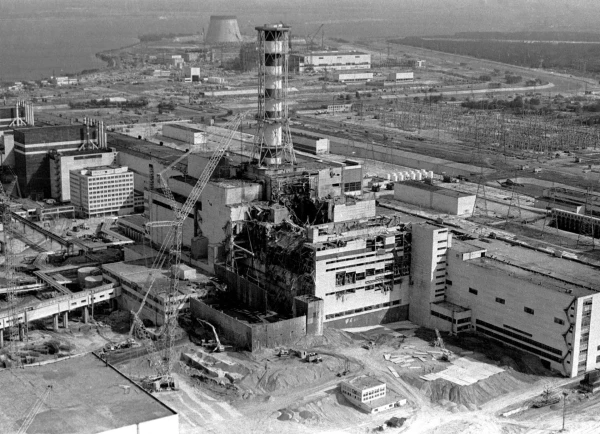
In times of war and peace, centralized nuclear power plants pose significant risks, as the Chornobyl disaster vividly demonstrated. To prevent future catastrophes, we must transition to decentralized renewable energy systems. These systems offer enhanced safety and resilience, as they are less vulnerable to large-scale failures, cyberattacks, or military strikes. By distributing energy generation across solar panels, wind turbines, and other renewables, communities can maintain power even if one component is compromised. Moreover, renewables eliminate the risk of nuclear meltdowns and radioactive contamination. The path to a safer energy future lies not in doubling down on aging nuclear infrastructure, but in embracing a distributed, clean energy grid that prioritizes both peace and environmental security.
Preventing Another Chornobyl: The Case for Decentralized Renewable Energy
World News
April 26, 2026 · 1:04 PM