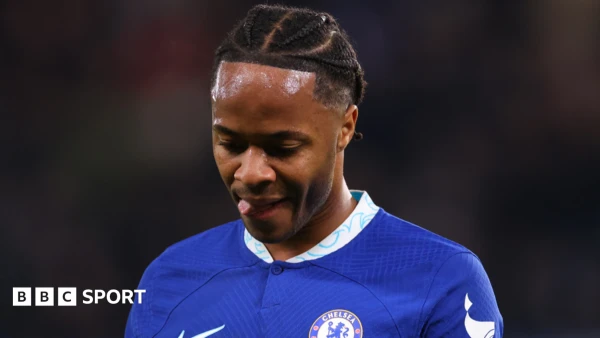
Raheem Sterling, the former England and Premier League star, faces an uncertain future in football after a court handed him a suspended 12-month prison sentence for dangerous driving. The 31-year-old, who once dazzled at Wembley and earned £325,000 a week at Chelsea, was also banned from driving for two years and ordered to complete 100 hours of unpaid work.
The incident stems from a high-speed crash on the M3 motorway in Hampshire last May, where Sterling lost control of his Lamborghini. Prosecutors described the damage to the vehicle as "substantial," with all four wheels torn off. Sterling admitted to dangerous driving, possessing nitrous oxide for wrongful inhalation, and failing to provide a specimen for analysis.
His legal troubles mark a stark contrast to a career that once saw him hailed as one of England’s most electrifying talents. Born in Kingston, Jamaica, Sterling moved to Neasden, London, as a child after his father was fatally shot when he was just two years old. His mother’s relentless determination to provide a safer life for her children shaped his resilience.
"I was so naughty that they kicked me out of primary school," Sterling once recalled in an interview. "I just didn’t like to listen to anyone but my mum." His teacher, Chris Beschi, famously warned him at age 10: "If you carry on the way you’re going, by the time you’re 17 you’ll either be playing for England or in prison." Sterling would defy the odds, becoming a Premier League champion and an England stalwart.
His professional journey began at Liverpool, where he debuted at 17—scoring the winning goal against Reading to become the club’s second-youngest goalscorer. A £49 million move to Manchester City in 2015 cemented his status as a global star, with four Premier League titles, an FA Cup, and a League Cup among his accolades. In 2021, he was awarded an MBE for his contributions to racial equality in sport.
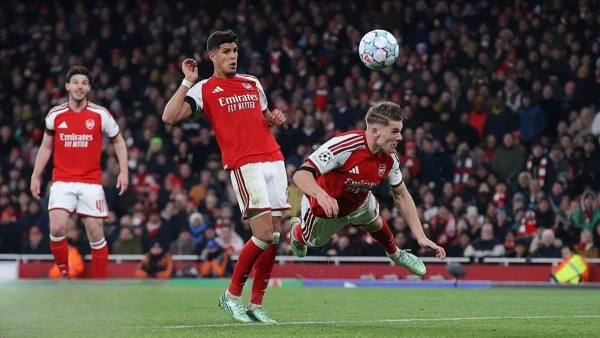
Yet his later years have been marred by controversy. Off-field incidents, including nitrous oxide use and a controversial tattoo of an M16 rifle, sparked debates about media scrutiny of black athletes. On the pitch, his time at Chelsea and a loan spell at Arsenal failed to recapture his former glory.
Now, with his driving ban and legal woes, Sterling’s future in football hangs in the balance. His last appearance came in May for Feyenoord in the Netherlands, but his career trajectory has taken a dramatic turn—from England icon to suspended sentence in a single year.