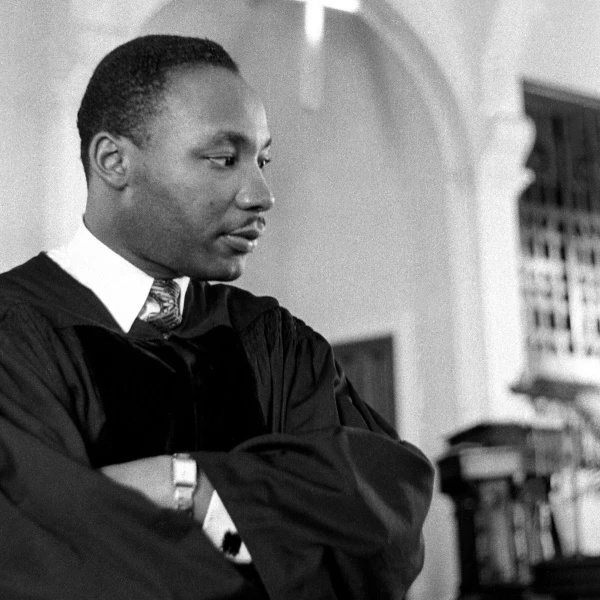
The standard narrative of Martin Luther King Jr.’s journey to leadership often paints a picture of a solitary hero emerging fully formed. However, this origin story overlooks the collective movement and the many unsung organizers who shaped the Civil Rights struggle.
Historians now argue that the focus on King’s individual genius downplays the grassroots activism, women leaders, and local protests that preceded and propelled him. The Montgomery Bus Boycott, for instance, was not sparked by King alone but by a community already organizing against segregation.
Moreover, King’s philosophy of nonviolence was not born in a vacuum; it was influenced by Howard Thurman, Bayard Rustin, and other thinkers. By simplifying King’s story, we risk sanitizing the complexities and conflicts within the movement.
As we honor King’s legacy, it is crucial to recognize the broader network of activists who made the civil rights era possible. Only then can we truly understand how change happens.