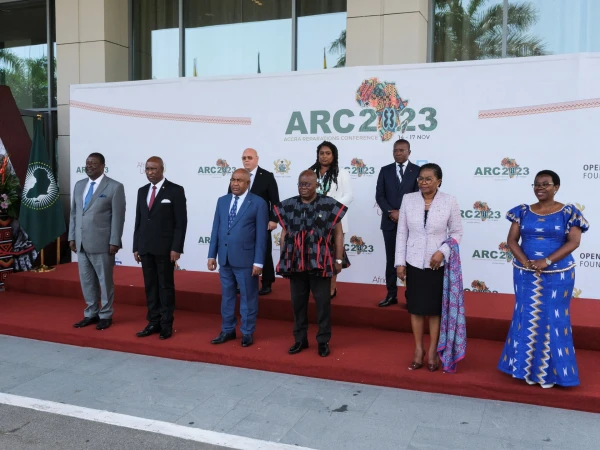
The conversation around slavery reparations has taken a nuanced turn as historians highlight the complex involvement of some African elites in the transatlantic slave trade and colonial systems. This revelation adds a challenging layer to the ongoing debate about who bears responsibility for restitution.
While the primary focus of reparations discussions has centered on European and American nations that profited from slavery, new scholarship reveals that certain African ruling classes also benefited economically and politically from these systems. Historical records show that some kingdoms and leaders participated in capturing and selling fellow Africans to European traders, while others collaborated with colonial powers to maintain their positions of authority.
This historical complexity raises difficult questions about accountability in modern reparations frameworks. As one scholar noted in a recent academic journal: "The narrative of slavery as purely an external imposition on Africa ignores the agency and complicity of certain indigenous power structures. Any meaningful reparations discussion must acknowledge this multifaceted history."
Advocates for reparations argue that this historical nuance doesn't diminish the primary responsibility of European colonial powers and American slave-holding societies, but rather demonstrates how systems of oppression created complex networks of beneficiaries. The debate now centers on how to address these overlapping historical responsibilities while ensuring that reparations reach the descendants of those most harmed by slavery and colonialism.