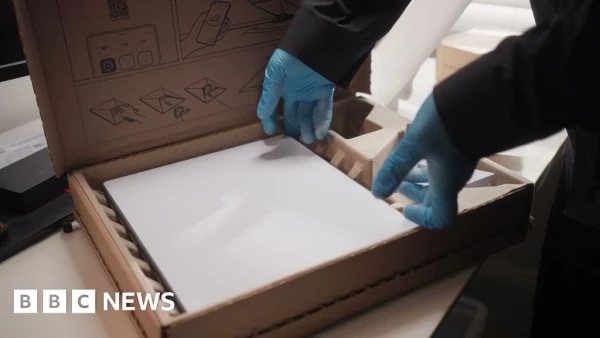
A covert network of activists is smuggling Starlink satellite internet terminals into Iran to help citizens bypass one of the longest-running national internet shutdowns in modern history.
Sahand, an Iranian living abroad who spoke on condition of anonymity for fear of reprisals against his family, described the operation as "very complex" and fraught with risk. "If I was identified by the Iranian regime, they might make those I'm in touch with in Iran pay the price," he told the BBC.
Iran's current blackout began on February 28 after US and Israeli airstrikes, following a previous shutdown in January that coincided with a deadly crackdown on nationwide protests. More than 6,500 protesters were killed and 53,000 arrested during those protests, according to the US-based Human Rights Activists News Agency (HRANA). Officials claim the internet is blocked for security reasons.
The smuggled Starlink terminals—flat white dishes that connect to SpaceX's satellite constellation—allow users to access the global internet without passing through Iran's heavily censored domestic network. Each terminal can support multiple users simultaneously.
Sahand says he has sent a dozen terminals into Iran since January. The human rights group Witness estimated in January that at least 50,000 terminals were already in the country, and activists believe the number has grown since.
The Iranian government has made using, buying, or selling Starlink devices a crime punishable by up to two years in prison. Distributing or importing more than 10 devices can lead to a 10-year sentence. Authorities have arrested numerous individuals, including four people last month on charges of "importing satellite internet equipment."
Despite the crackdown, a public Telegram channel called NasNet continues to facilitate sales. A volunteer told the BBC that approximately 5,000 terminals have been sold through the channel over the past two and a half years.
Iran's internet infrastructure is a tiered system: most citizens have access only to a state-controlled domestic network for basic services like banking and ride-hailing. Prior to the blackout, many international sites like Instagram, Telegram, and YouTube were blocked, and users relied on VPNs—which are now largely ineffective during the total shutdown. Only select officials and state-media journalists retain unfettered access via so-called "white sim cards."
Sahand's network advises users to layer VPNs on top of Starlink connections to avoid detection, but many cannot afford the added cost amid an economic crisis. He says the operation is funded by Iranians abroad and private donors, not by any government.
"People need internet to be able to share what's happening on the ground," Sahand said. "We believe these terminals should be in the hands of those who really need it to make change."
A digital rights group that requested anonymity estimates that at least 100 people have been arrested for possessing Starlink terminals. Sahand says he personally knows individuals who have been detained for accessing or owning one.