After Cyclone Ditwah tore through Sri Lanka last November, Indrani Ravichandran and her family are piecing their lives back together in the only remaining section of their home in Kudugalhena village. The storm unleashed unprecedented rainfall—up to 500mm in just three days—triggering catastrophic floods and landslides that claimed 643 lives, left 173 missing, and displaced thousands.
Indrani recalls the terror of that night: "The water rose so fast. We ran in the dark, with rain lashing down and slopes turning to mud, fearing poisonous creatures underfoot. We were lucky to survive." Her husband Ravichandran adds, "We hadn't seen floods this fierce in 30 years."
Experts note that while the 2004 tsunami caused more fatalities, Ditwah inflicted greater infrastructure damage. Dr. Ganeshan Wignaraja, a senior fellow at ODI Global Institute, describes the situation as a "triple shock": "First, the devastating floods, then soaring fuel prices, and now an impending drought in some regions."
The cyclone disrupted livelihoods for nearly two million people across all 25 districts, with the UN estimating damages at $4 billion—4% of Sri Lanka's GDP. President Anura Kumara Dissanayake called it the country's worst economic disaster, announcing financial aid for victims, including 50,000 rupees for partial home repairs and up to five million rupees for fully destroyed homes.
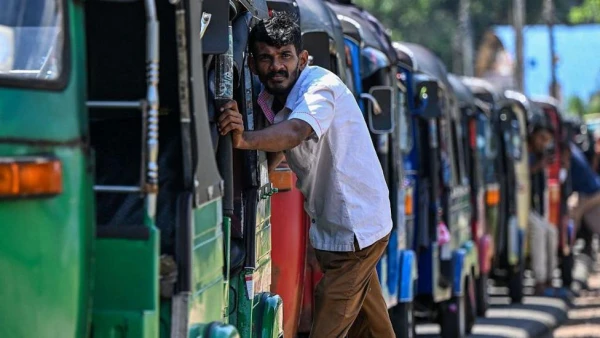
Yet, recovery has been slow. Over 165,000 people remain displaced, and the global economic strain from the Iran war has exacerbated Sri Lanka's woes. Fuel prices have surged, prompting rationing, a four-day workweek, and power cuts reminiscent of the 2022 crisis that toppled the previous government.
International aid has been sparse compared to the tsunami response. India emerged as a key ally, launching Operation Sagar Bandhu ("friend across the sea") with warships, helicopters, and over 1,000 tonnes of supplies, plus $450 million in grants. In contrast, China, a major investor, contributed less than $2 million and 100 tonnes of aid. Sri Lanka has since appealed to Beijing for infrastructure rebuilding support.
The government reports providing relief to most with partial home damage but acknowledges delays in compensating those who lost everything. With reconstruction funds falling short—only a fifth of the needed $750 million has been secured—the path to recovery remains fraught with challenges.