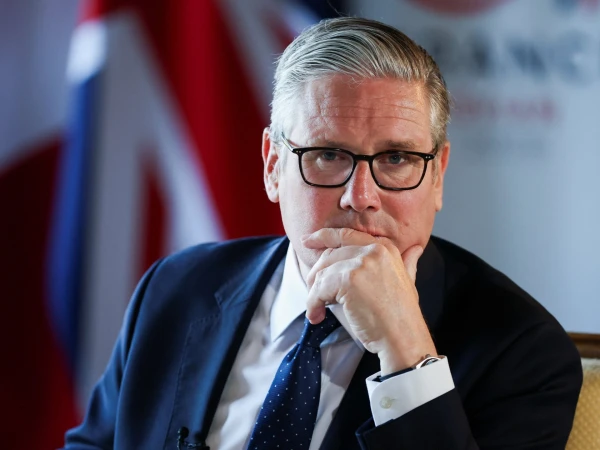
Keir Starmer, once hailed as the man to restore Labour's fortunes, has resigned as UK prime minister and Labour leader after a precipitous fall from grace. Despite securing a landslide majority in July 2024, his tenure became the most disliked of any modern British leader, with approval ratings plummeting to record lows.
"Every decision I have taken has been about putting the country I love first," Starmer said in his resignation speech. His departure follows a series of political missteps, internal rebellions, and crushing electoral defeats.
From Promise to Plunge
Starmer led Labour to its third-largest parliamentary majority in history, winning 411 seats. Yet his victory was built on just 34% of the vote, a fragility that soon became apparent. Within a year, Ipsos recorded a net satisfaction rating of minus 66—the lowest ever for any UK prime minister since 1977. By the time he resigned, 76% of the public were dissatisfied.
"He did not define what he believed in," said Professor John Curtice, the UK's leading pollster. "He had no sense of direction. Starmer is a very clever lawyer, but he lacks political antennae and the presence of a leader."
Policy U-Turns and Scandals
Starmer's government was plagued by indecision and reversals. A controversial cut to winter fuel allowance for pensioners was scrapped after public outcry. Plans to reduce disability benefits were watered down amid a backbench revolt, with 49 Labour MPs voting against the government.
Scandal further eroded trust. Starmer appointed Peter Mandelson as US ambassador despite Mandelson's ties to convicted sex offender Jeffrey Epstein. The Foreign Office had approved the appointment against security advice, and Starmer later apologized to Epstein's victims.
Identity Crisis
Critics argue that Starmer's Labour lacked a clear identity, positioning itself as a centrist, fiscally conservative alternative to a populist-right Conservative Party. "Starmer's governing project was to turn Labour into the new Conservative Party," said Oliver Eagleton, author of The Starmer Project. But this strategy failed to inspire voters or parliamentarians.
In May's local elections, Nigel Farage's Reform UK surged, capitalizing on anti-establishment sentiment. Starmer "came to power thinking stability would fix everything," said Professor Anand Menon. "To combat populism, you need to show mainstream politics can deliver. He hasn't."
The End
Starmer's resignation marks the end of a brief, turbulent premiership. His successor will inherit a party in disarray, a skeptical electorate, and the challenge of rebuilding trust in a fractured political landscape.