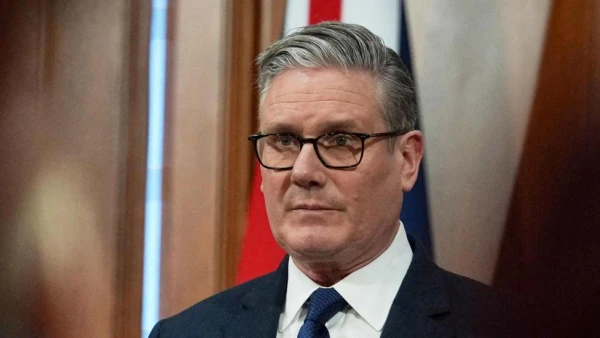
Prime Minister Keir Starmer has acknowledged the UK faces a gathering economic "storm" from the Iran conflict but has opted against immediate emergency measures, instead emphasizing long-term resilience and a strategic pivot toward Europe.
Speaking at a press conference, Starmer described the potential economic fallout as potentially "fierce" and admitted that navigating the crisis "will not be easy," particularly regarding reopening the vital Strait of Hormuz for global trade.
Despite mounting pressure, the government has held back from introducing sweeping emergency support. Beyond aid for heating oil users, further help for household energy bills is deferred until autumn. Starmer defended this by pointing to the existing energy price cap and lower seasonal demand.
This stance has drawn criticism across the political spectrum. The Greens advocate for immediate billions in bill subsidies, while Conservatives and Reform UK push for removing VAT from energy bills now. The Liberal Democrats, Plaid Cymru, and the SNP have also proposed alternative relief measures.
The government has similarly resisted calls to cut fuel prices at the pump, despite actions by allies like Australia, which halved its fuel taxes. Starmer stated a planned September fuel duty increase is "under review," though many in Westminster doubt it will proceed.
In a significant diplomatic shift, Starmer has openly embraced policy disagreements with US President Donald Trump, starkly stating, "this is not our war." While affirming continued security cooperation, he marked a clear departure from his previous strategy of closely aligning with the US administration.
Concurrently, Starmer used the moment to advocate for stronger UK-EU ties, highlighting the economic benefits of closer post-Brexit cooperation. He reiterated that rejoining the EU's single market or customs union remains off the table, but signaled a desire to pursue the closest possible economic relationship from outside the bloc.
These three key decisions—resisting emergency fiscal measures, publicly differing with the US, and seeking deeper EU engagement—define the government's approach to an external crisis that threatens domestic economic stability and tests its political strategy.