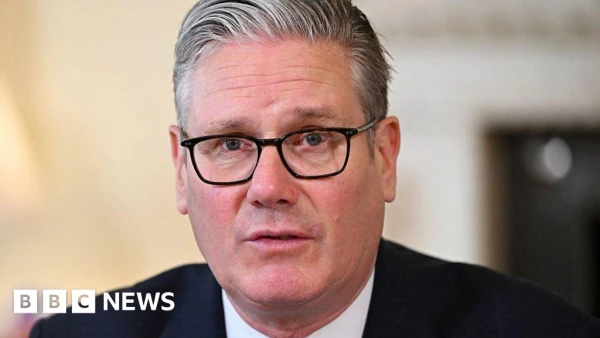
Sir Keir Starmer has successfully seen off a parliamentary move to refer him for investigation over his statements about Lord Mandelson's appointment as US ambassador, but the victory has come at a cost to his authority.
The prime minister won the vote comfortably, with a clear majority of MPs rejecting the call for a committee probe. However, the vote exposed deep fissures within the Labour Party, with 14 Labour MPs rebelling against the government whip.
Downing Street had to expend significant political capital to secure the win, including a ring-round by cabinet ministers, interventions from former Prime Minister Gordon Brown, and recalling Scottish MPs from the campaign trail to bolster numbers. These moves underscored that the leadership cannot rely on automatic loyalty from its backbenchers.
Some Labour MPs voiced anger at the whipping operation, accusing the party of being complicit in a "cover-up." Others expressed frustration that the Mandelson issue continues to dominate parliamentary time, distracting from other priorities.
Government insiders attempted to spin the result positively, describing the Parliamentary Labour Party as "pretty together" — but added "for now." The prevailing mood among Labour MPs was weary resignation rather than jubilation.
While Starmer avoided the fate of Boris Johnson, who was brought down by the same committee, each recurrence of the Mandelson saga risks eroding his standing among his own MPs.