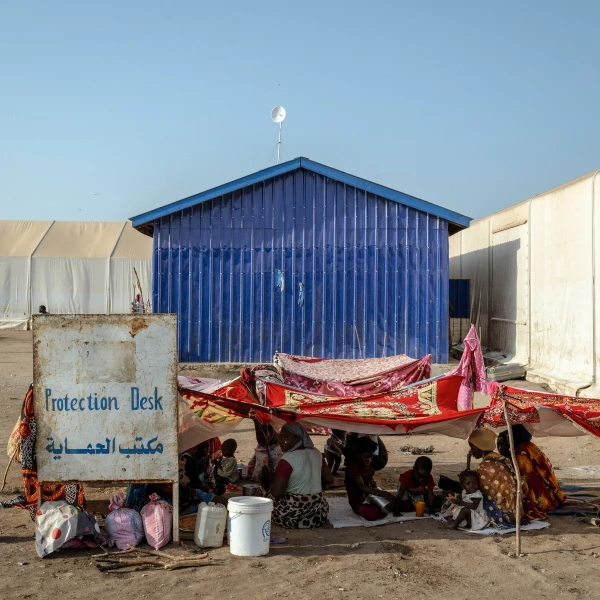
While global attention focuses on other conflicts, a devastating humanitarian crisis continues to unfold in Sudan with minimal international response. The situation has reached catastrophic levels, with millions displaced and facing severe shortages of food, water, and medical care.
"We are witnessing one of the worst humanitarian disasters of our time, yet the world seems to have turned away," said a senior UN official who requested anonymity. "The suffering is unimaginable, and the silence is deafening."
According to recent reports, over 8 million people have been displaced within Sudan, creating one of the largest internal displacement crises globally. Infrastructure has collapsed in many regions, leaving communities without access to basic services. Health facilities have been destroyed or are operating at minimal capacity, while food insecurity affects nearly 18 million people.
International aid organizations report that funding for Sudan's crisis remains critically low, with less than 30% of required humanitarian assistance secured. This shortfall has forced many organizations to scale back operations just as needs are increasing.
The conflict has particularly impacted women and children, who make up the majority of displaced populations. Reports indicate widespread gender-based violence and limited access to education for millions of children whose schooling has been disrupted.
Despite repeated calls for increased international attention and support, diplomatic efforts have yielded limited results. Regional organizations have attempted mediation, but ceasefires have been fragile and frequently violated.
Human rights advocates warn that the prolonged crisis risks creating a "lost generation" in Sudan, with long-term consequences for regional stability and development. They emphasize that immediate action is needed to prevent further deterioration of the humanitarian situation.
As the crisis enters its second year, questions persist about why this catastrophe has received so little sustained international attention compared to other global conflicts. Aid workers on the ground describe conditions as "apocalyptic" and plead for increased global engagement before the situation becomes irreversible.