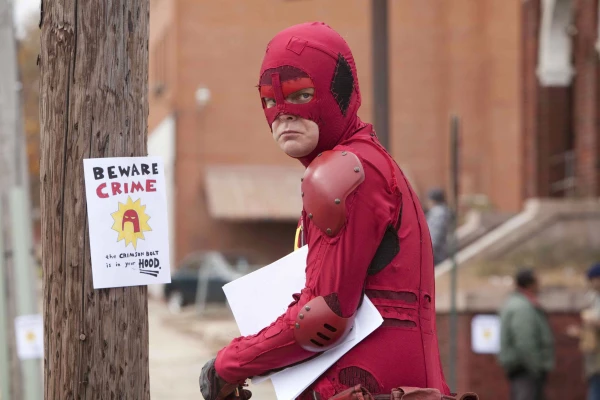
James Gunn's 2011 dark comedy Super offers a biting parody of superhero cinema, specifically targeting one of the genre's most ludicrous conventions: the notion that ordinary individuals can don costumes and instantly become effective, morally unambiguous crimefighters without severe personal or societal consequences.
Through the story of Frank Darbo (Rainn Wilson), a depressed fry cook who transforms into the violent vigilante "The Crimson Bolt" after a spiritual vision, the film deconstructs the fantasy of superheroism as a simple, empowering solution to life's problems. Unlike mainstream superhero narratives that often gloss over the psychological trauma, legal ramifications, and sheer absurdity of vigilantism, Super confronts these issues head-on with brutal, darkly comedic honesty.
"The film forces audiences to question why we so readily accept the premise that putting on a mask grants someone the right—and the competence—to dispense brutal, extrajudicial justice," notes one analysis of the film's thematic core.
By presenting a protagonist whose "heroic" actions are clumsy, excessively violent, and born from mental instability, Gunn exposes the genre's frequent romanticization of vigilantism. The movie challenges viewers to reconsider the narratives they consume, highlighting the dangerous simplicity with which superhero stories often resolve complex moral and social dilemmas through costumed intervention. Over a decade after its release, Super remains a provocative and relevant critique of superhero tropes that mainstream blockbusters continue to perpetuate.