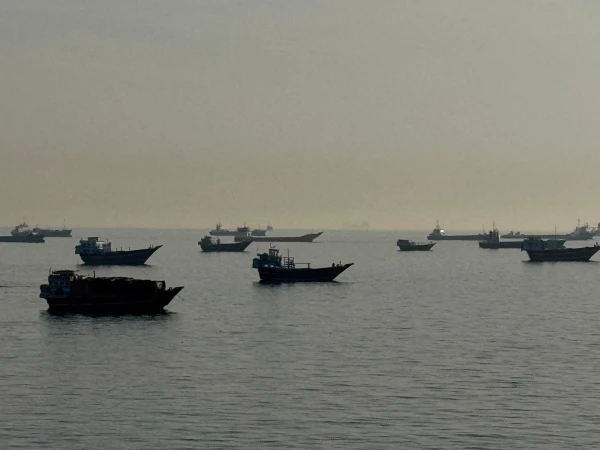
Oil prices dipped on Monday after Chinese-operated supertankers were observed leaving the Strait of Hormuz, a critical chokepoint for global crude shipments. The movement comes as U.S. President Donald Trump and Vice President JD Vance publicly discussed the possibility of a new diplomatic accord with Iran.
Speaking to reporters, Trump hinted at a willingness to negotiate, while Vance emphasized that a deal could stabilize regional tensions. In response, Iran warned that it would expand military operations if subjected to further attacks, fueling uncertainty in the energy market.
Analysts noted that the departure of the tankers—typically used to ship Iranian crude to Asian buyers—signals a precautionary shift ahead of potential conflict escalation. However, the White House's dovish tone briefly eased supply fears, with Brent crude falling by 1.2% to $82.50 a barrel by midday.
"The market is weighing the risk of disruption against the prospect of renewed talks," said independent energy consultant Sarah Al-Harbi. "For now, traders are taking a cautious sell stance."
Iranian officials have yet to formally respond to the U.S. overture, but state media characterized the remarks as a "tactical retreat" under economic pressure.