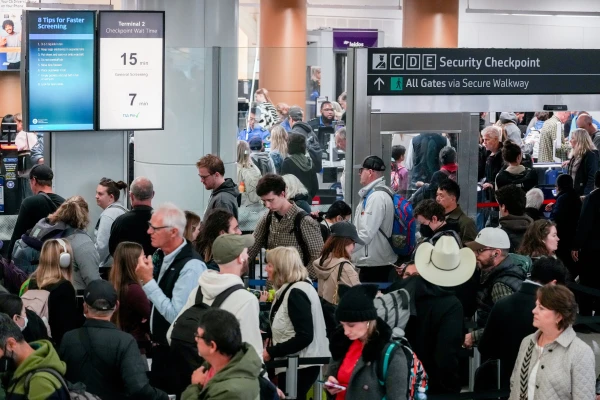
As families prepare to reunite for Thanksgiving, a pair of powerful storm systems is threatening to ground flights and strand travelers across the United States. Meteorologists warn that heavy rain, high winds, and potential flooding could paralyze air travel on both coasts just as the holiday rush reaches its peak.
Storms Set to Disrupt Holiday Plans
The timing of the weather systems could not be worse. With millions of Americans already grappling with recent airline disruptions—including a nationwide ground stop and technology outages at major carriers—Mother Nature appears determined to add another layer of chaos to the Thanksgiving travel season.
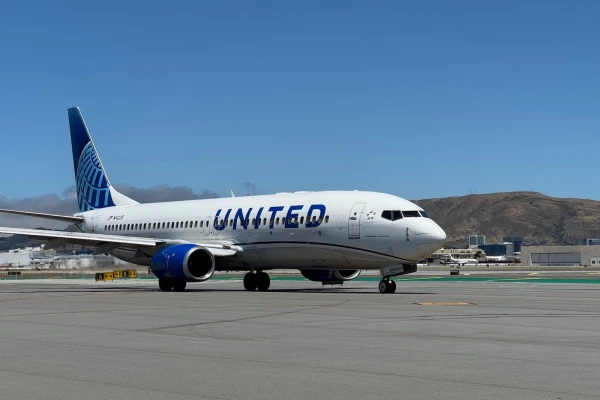
On the West Coast, a potent storm is barreling toward the Bay Area, bringing torrential rain and gusty winds that could wreak havoc at San Francisco International Airport (SFO), a critical hub for United Airlines. In response, the airline has issued a travel waiver, allowing passengers with Wednesday flights to adjust their itineraries without penalty. American Airlines and Southwest Airlines have also extended similar waivers for travelers passing through SFO.
"The timing couldn’t be worse," said Fox Weather meteorologist Bob Van Dillen. "We’re looking at a storm that could disrupt travel at the busiest time of the year."
East Coast Braces for a 'Monster' Storm
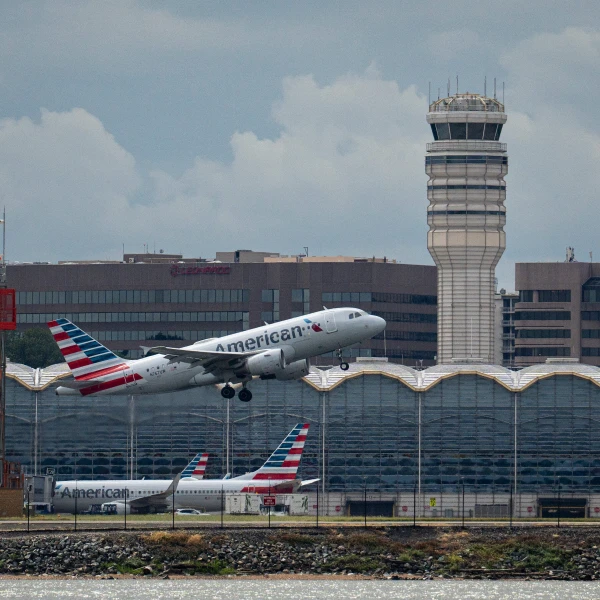
Meanwhile, a separate and potentially more disruptive system is developing along the East Coast. Forecasters are describing it as a "monster" storm, with the potential to bring heavy rain, flooding, and strong winds to some of the nation’s busiest airports—including those in Atlanta, Charlotte, Miami, Orlando, Washington D.C., Philadelphia, New York City, and Boston.
The storm’s impact is expected to intensify on Wednesday and peak on Thanksgiving Day, just as families are trying to reach their destinations. Van Dillen advised travelers to "get to your destination as early as possible" to avoid being caught in the chaos.
A Silver Lining in the Storm
Despite the grim outlook, there is one bright spot: Thanksgiving Day itself is typically one of the quietest days for air travel. While Wednesday and the following Sunday are notorious for delays and cancellations, the holiday itself often sees a lull in activity as families settle in for the day.
However, the relief may be short-lived. The Sunday after Thanksgiving is historically the busiest travel day of the year, and any lingering effects from the storms could exacerbate delays and cancellations.
What Travelers Should Do
With travel waivers in place for SFO, passengers flying through the airport on Wednesday have some flexibility to adjust their plans. However, airlines typically do not cover costs for hotels, meals, or transportation due to weather delays. Travelers are advised to monitor weather and airline advisories closely, as disruptions can cascade across flight networks.
For those with travel insurance or credit cards that offer trip protection, now may be the time to review coverage options. While airlines may not reimburse for weather-related delays, additional protections could help mitigate the financial impact of unexpected disruptions.
As the storms approach, travelers are left to hope for the best while preparing for the worst. With so much at stake, the next few days will test the resilience of the U.S. air travel system—and the patience of millions of holiday travelers.