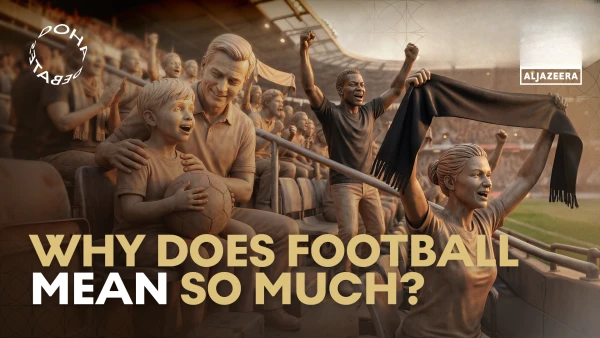
Football, often called the beautiful game, is more than just a sport. It is a powerful cultural force that shapes who we are, influencing our identities, communities, and even our values. From the local park to the global stage, football brings people together, creating bonds that transcend borders, languages, and backgrounds.
At its core, football is a unifying activity. When fans don their team's colors and gather in stadiums or pubs, they become part of a collective identity. This shared passion fosters a sense of belonging and pride, whether for a hometown club or a national team. For many, supporting a team is a lifelong commitment passed down through generations, embedding the sport deeply into family and community traditions.
Beyond identity, football teaches important life lessons. The game emphasizes teamwork, discipline, and resilience. Players learn to work together towards a common goal, handle both victory and defeat with grace, and persevere through challenges. These qualities often translate into other aspects of life, shaping character and personal growth.
Football also reflects and influences social dynamics. It can be a platform for social change, raising awareness about issues like racism, inequality, and mental health. Campaigns like 'Kick It Out' and 'Show Racism the Red Card' have used football's reach to promote inclusion and respect. At the same time, the sport can perpetuate negative aspects, such as tribalism and violence, highlighting the complex role it plays in society.
In many ways, football serves as a mirror, reflecting the hopes, fears, and aspirations of communities. It provides a sense of purpose and excitement, offering an escape from daily routines while also grounding people in shared experiences. Whether it's the thrill of a last-minute goal or the agony of a missed penalty, football creates emotional highs and lows that bond people together.
Ultimately, football influences who we are by connecting us to something larger than ourselves. It shapes our sense of self, our relationships with others, and our understanding of the world. As the sport continues to evolve, its impact on personal and collective identity remains profound.