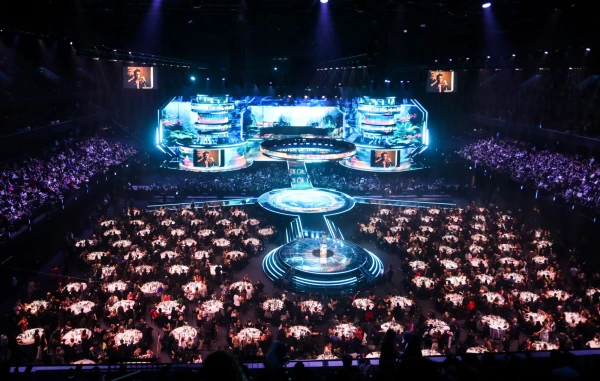
The BRIT Awards' historic decision to relocate from London to Manchester for its 2026 ceremony has proven to be a massive financial success, generating a £5 million net economic boost for the city.
According to an independent study conducted by AMION Consulting, the iconic music awards show left an undeniable mark on the Greater Manchester area. Researchers found that of the £5 million in net additional expenditure, £3.6 million was generated directly by visiting attendees, alongside a gross value added (GVA) of £3.45 million. To ensure accuracy and avoid overstating the economic footprint, the study conservatively excluded direct ticket sales from its calculations.
Beyond the direct financial injection, the event created over 3,000 temporary jobs for the week and delivered an estimated £11.2 million in monetized social impact. The hospitality sector thrived, with local hotels experiencing a surge in bookings, while the city's music ecosystem and local businesses enjoyed unprecedented global visibility through community partnerships and cultural activations.
Nearly 25,000 fans attended the main awards show and its associated fringe events. The reception was overwhelmingly positive, with 92 percent of ceremony attendees and 94 percent of fringe event goers rating their experience as excellent or good.
"Moving the BRITs to Manchester was about more than moving an awards show. It's about shining a light on the incredible talent and creative communities across the UK, opening up opportunities, and widening participation," said Stacey Tang, Chair of the BRITs Committee and Co-President of RCA Records at Sony Music UK. "Music can connect people and shape culture, but it also creates jobs, drives investment and inspires future careers."
Dr. Jo Twist OBE, CEO of the BPI—the organization that oversees the BRIT Awards—echoed this sentiment, noting that the event has created a lasting legacy for local communities and laid an exciting foundation for the future. Greater Manchester Mayor Bev Craig added that the successful hosting of the ceremony was a powerful recognition of the region's "unmatched music heritage" and its growing capacity to execute major global events.
The 2026 edition, hosted by Jack Whitehall for the sixth time, featured a star-studded lineup. Audiences were treated to performances from heavyweights like Harry Styles, RAYE, Wolf Alice, Mark Ronson, and Rosalía, who brought out Björk as a surprise guest.
The night's big winners included Olivia Dean, who took home the most trophies, Noel Gallagher, who secured Songwriter of the Year, and PinkPantheress, who won Producer of the Year. The ceremony also featured a poignant tribute to Ozzy Osbourne, who was posthumously honored with the BRITs Lifetime Achievement Award following his passing the previous summer.
The broader cultural takeover extended well beyond the main stage. The inaugural BRITs Fringe and the returning BRITs Week For War Child—which featured intimate gigs from Robbie Williams, Olivia Dean, and others—successfully raised £1.16 million for charity.
With the success of the 2026 debut in the books, organizers are already gearing up for the next edition, which is slated to return to Manchester on Saturday, February 27, 2027.