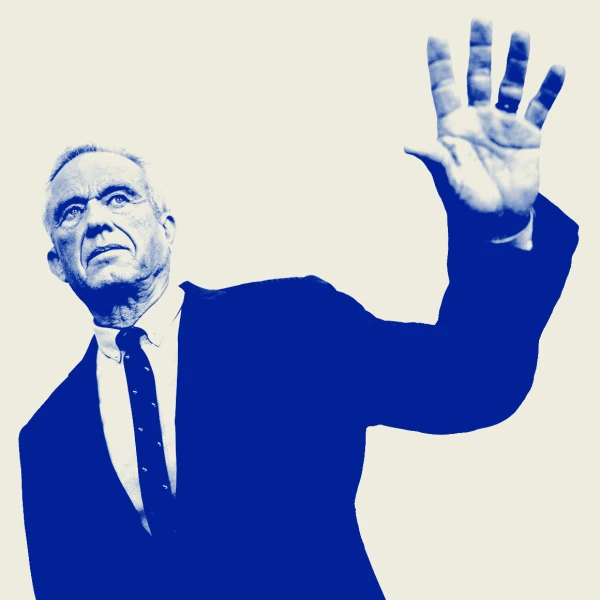
Robert F. Kennedy Jr.'s MAHA movement—Make America Healthy Again—has undeniably reshaped public health discourse since its rise. But as tensions surface within its coalition, experts are questioning whether its political influence is waning.
In a live discussion at the Brooklyn Public Library, New York Times opinion contributors dissected the movement's trajectory. Science editor Alexandra Sifferlin, sociologist Tressie McMillan Cottom, and science writer David Wallace-Wells examined the fissures emerging under Kennedy's tenure as Health and Human Services secretary.
A Coalition of Convenience
Cottom described MAHA as an "uneasy alliance" of populist groups, drawing from ecofascism, libertarian environmentalism, and the mommy-blogger-to-health-influencer pipeline. While branding is strong, she noted that many followers have legitimate grievances about a healthcare system that fails to support healthy choices.
Wallace-Wells went further, calling MAHA a "fiction"—an opportunistic umbrella masking irreconcilable contradictions. "People who think medicine is overregulated and those who think it's underregulated are now in the same room," he said. "Some demand rock-solid randomized trials; others accept anecdotal evidence. It's unsustainable."
Vaccine Skepticism vs. Reality
The movement's core has been opposition to vaccine science. Yet despite pockets of measles outbreaks and rising skepticism, polling shows most Americans still vaccinate their children. Kennedy's specific vaccine policies remain deeply unpopular.
Cottom warned against conflating attention with power: "Just because people identify with MAHA doesn't mean they can be mobilized politically. There's a difference between media narrative and real voter action."
What Comes Next?
As the coalition fractures—with many Kennedy appointees already leaving HHS—the question is whether MAHA will remain a political force or fade into a niche. Wallace-Wells suggested that the "fever dream" of a mass anti-science movement may be passing. "The threat feels less durable than it did a year ago," he said.
For now, the movement's influence on the 2026 midterms and beyond remains uncertain. But one thing is clear: MAHA's cohesion is cracking, and its future depends on whether its disparate factions can find common ground.