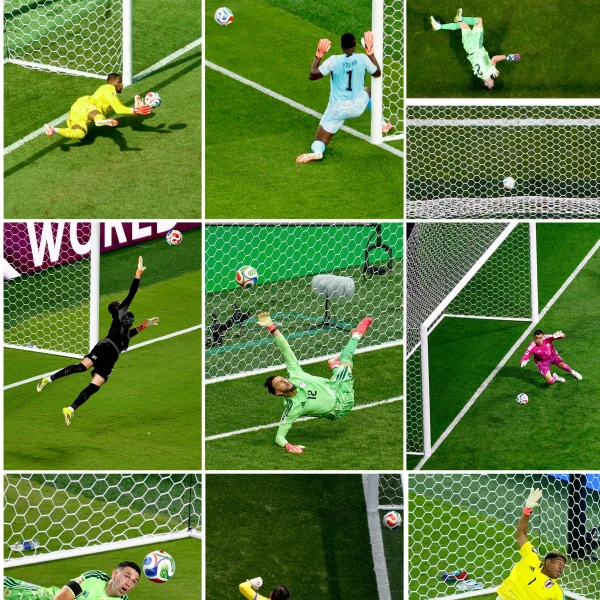
Soccer's tactical revolution has transformed every position on the pitch, but perhaps none more dramatically than the goalkeeper. Once a role defined by shot-stopping and physical bravery, the modern keeper is now a sweeper, a passer, and a key playmaker.
Coaches at the highest level demand that goalkeepers be comfortable with the ball at their feet, able to play out from the back under pressure. This shift, pioneered by the likes of Manuel Neuer and now standard across Europe's top leagues, has changed not only how keepers train but also how they think.
The mental challenge is immense. While a striker might miss a chance and get another, a goalkeeper's error often leads to a goal. Managing that pressure while adapting to new tactical demands requires a unique mindset. One former international goalkeeper reflected on the isolation of the position: "You're alone in that box, and when you make a mistake, it's magnified. But the new style forces you to stay engaged, to read the game constantly, and to trust your defenders."
Training has evolved too. Gone are the days of endless catching drills. Today's sessions include small-sided games, passing exercises, and video analysis of positioning and distribution. The goalkeeper must be a footballer first, a shot-stopper second.
As soccer continues to evolve, the goalkeeper's role will likely expand further. But for those who thrive on the edge of control and chaos, there's no better position on the field.