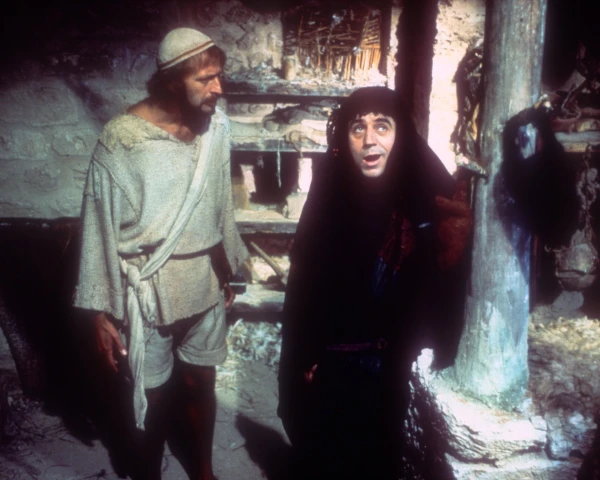
In a recent reader response feature, The Guardian explored the phenomenon of messianic figures in politics, sparked by the question: Donald Trump is not the messiah, but what does it take to convince people that you are?
Readers offered a range of perspectives on the psychology and social dynamics behind deifying leaders. Some pointed to the human craving for certainty and saviors in times of crisis, while others highlighted the role of charismatic rhetoric and media amplification. Several respondents noted that messianic belief often requires a combination of personal magnetism, a narrative of persecution, and a promise of redemption for a chosen group.
While the article did not focus on Trump alone, it drew parallels to historical and contemporary figures who have inspired quasi-religious devotion. The consensus among readers was that such convictions are rarely about the leader's actual divinity, but rather about the followers' needs and the cultural context that enables mythmaking.