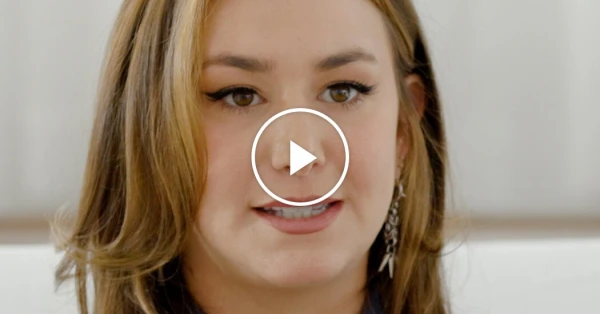
A notable shift is occurring in modern relationships as younger men increasingly date older women, a trend that contrasts sharply with the criticism older men often face when pursuing younger partners. According to commentator Emily Leibert, this dynamic represents women reclaiming agency in their personal lives.
"There is a huge amount of sexism that we see towards older men dating younger women. But the difference, again, is that women are taking back power," Leibert argues. "And even if it is imperfect, even if it is a small amount of power, it is something to them."
Leibert emphasizes that outsiders shouldn't judge the power dynamics within these relationships, noting that while many women report fulfilling experiences, the private nature of these connections means observers can't truly understand what transpires behind closed doors.
Another factor influencing this trend is the changing landscape of aging and appearance. With advancements in cosmetic procedures and beauty standards, women in their 30s, 40s, and beyond can maintain youthful appearances that sometimes minimize visible age gaps.
"It is possible to technically look young forever," Leibert observes. "And in that sense, I don't think outwardly there is as much taboo, because you could technically look very similar age to a 25-year-old or 28-year-old."
This observation highlights deeper questions about societal double standards. Leibert challenges why older women face judgment for dating across age spectrums when the fundamental principle should be personal freedom in romantic choices.
The trend reflects broader cultural shifts where women are asserting autonomy in relationships that defy traditional expectations, creating new narratives about age, power, and desire in contemporary society.