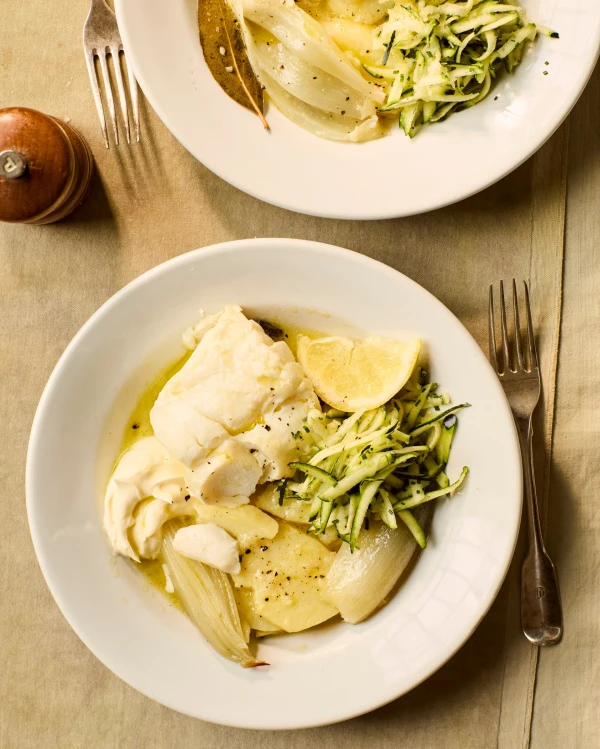
When life gives you a lemon, you might make lemonade—but if you've already zested it, you've barely scratched the surface of its potential. A zested lemon, often discarded after the fragrant peel is stripped away, is far from spent. In fact, it holds a surprising array of uses that can reduce waste and elevate everyday cooking.
After zesting, the lemon's juice remains the star for dressings, marinades, and desserts, but the naked fruit can also be sliced and simmered to infuse water, tea, or broths with a gentle citrus note. The halves themselves make excellent natural scrubbers—rub them with salt to tackle cutting board stains or tarnished copper.
For the adventurous cook, spent lemon halves can be preserved in salt or sugar to create a tangy seasoning. Or simply tuck them into the cavity of a chicken or fish before roasting; the heat will release any remaining oils and moisture, keeping the meat succulent. Even the pith, once thought bitter, can be candied or blended into smoothies for an extra fiber boost.
Chefs and home cooks alike are rediscovering the full life cycle of this humble fruit. "A zested lemon still has plenty to give," says Anna Berrill in her latest Kitchen aide column. "It's about changing our mindset from 'waste' to 'resource.'"
So next time you reach for a zester, remember: the real magic starts after the peel comes off.