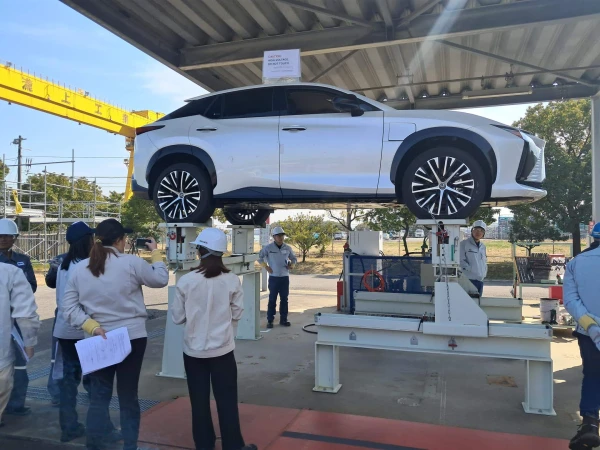
As electric vehicle (EV) adoption accelerates in the Philippines, Toyota Motor Philippines Corp. is focusing on a critical but often neglected aspect: end-of-life vehicle disposal and battery recycling.
In March, Toyota sent En Tsumugi ELV Dismantler Corp., its partner dismantling facility based in Mexico, Pampanga, to Japan for specialized training in battery dismantling, storage, and recycling. The training, held on March 17–18 at Toyota Metal Co., Ltd. in Aichi, also included participants from Thailand.
The program covered dismantling procedures, safety protocols, storage and handling systems, emergency response, and battery collection and material recovery. It is part of Toyota's "Global 100 Dismantlers Project," which aims to create a worldwide network of properly managed facilities for vehicle recycling and resource recovery.
Why is recycling important? Studies show that EVs can have higher emissions during manufacturing and disposal, though their overall lifecycle emissions are lower than those of conventional vehicles. Recycling batteries reduces the need for new raw materials, cutting the carbon footprint of future production.
Japan, where the training took place, is advancing battery sustainability efforts, including an EV battery traceability system to promote recycling. Globally, patent registrations related to battery circularity grew 42% from 2017 to 2023, according to data from the International Energy Agency and the European Patent Office, outpacing the 16% growth in rechargeable battery manufacturing.
"This proactive step reflects our 'Beyond Zero' commitment to ensure that as we advance electrified mobility in the country, we are equally prepared across the entire vehicle lifecycle," said Toyota Motor Philippines president Masando Hashimoto.
En Tsumugi is one of two model end-of-life vehicle dismantling facilities in the Philippines recognized by Toyota and the fourth such facility in Southeast Asia. The initiative aligns with Toyota's "Environmental Challenge 2050" carbon neutrality goals.