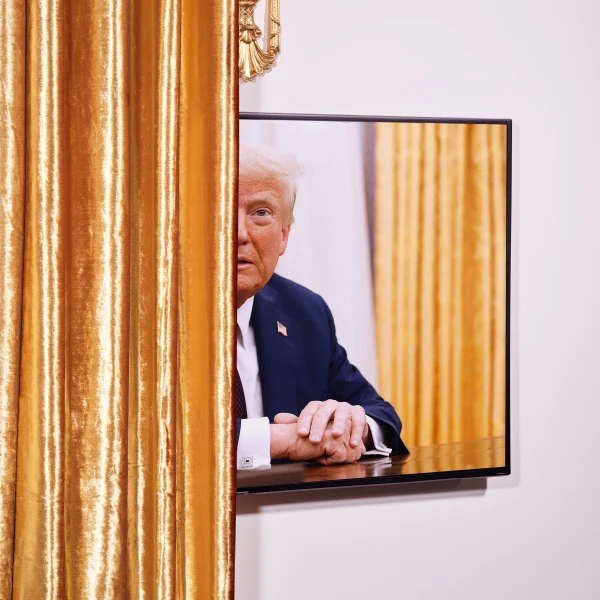
President Donald Trump's latest actions in Iran reveal a pattern of decision-making driven by personal vulnerabilities rather than strategic interests, critics argue. The administration's erratic approach has left allies and adversaries alike questioning the stability of U.S. foreign policy.
"The president has found a new trap door in Iran," a senior administration official noted, highlighting the administration's tendency to escalate conflicts without clear objectives.
Analysts point to Trump's need to project strength as a compensation for perceived weaknesses, leading to impulsive military and diplomatic moves. This has eroded trust among international partners and increased the risk of unintended confrontation.
The situation underscores how psychological factors can shape international relations, with profound consequences for global security.