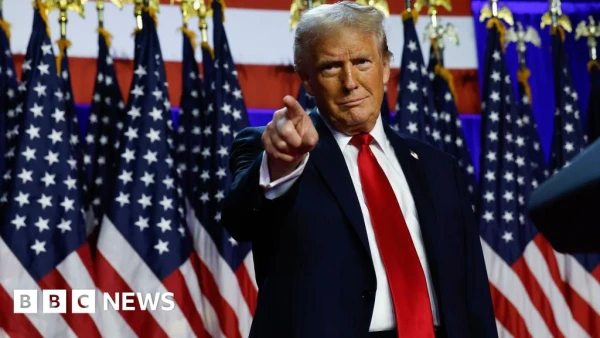
Donald Trump once predicted the US-Israeli conflict with Iran would last no longer than six weeks. Now entering its third month, the war has sparked a global energy shock rivaling the oil crises of the 1970s, driving up prices on fuel, groceries, and more.
Despite the strain on American households, fresh GDP figures show the economy grew at a 2% annualized rate in the first quarter of 2026—a rebound from late 2025. But economists caution that much of that growth stems from massive tech investments in artificial intelligence (AI), not broad consumer strength.
The Cost of Living Squeeze
With midterm elections in November, the traditional rule applies: "It's the economy, stupid." While headline growth looks positive, voters are far more likely to be swayed by their daily expenses.
Oil prices have surged since the Strait of Hormuz was closed. Brent crude hit a four-year high of $126 a barrel before retreating to $111—still far above the pre-war price of around $73. At the pump, Americans paid $4.30 per gallon by late April, up from under $3 in February, according to AAA data.
Inflation jumped to 3.3% in March—a near two-year high—up from 2.4% in February. That dashed any hope of imminent interest rate cuts.
Interest Rates and Housing
The Federal Reserve held its benchmark rate at 3.5%-3.75% on Wednesday, and economists now expect cuts could be delayed until 2027. Mortgage rates have climbed from 5.98% to 6.3% for a 30-year fixed loan since the strikes began.
Stock Market Resilience
Despite the turmoil, major stock indices have rallied. The Nasdaq is up about 10% since the conflict started, the S&P 500 roughly 5%, and the Dow over 1%. That's good news for investors and those with 401(k) plans.
The Political Stakes
Republicans risk losing control of the House and possibly the Senate. While GDP growth and a rising stock market offer some comfort, the rising cost of living remains a dangerous vulnerability. Trump's fate—and his party's—hinges on whether the Iran conflict eases, the Strait of Hormuz reopens, and prices fall for voters before they head to the polls.