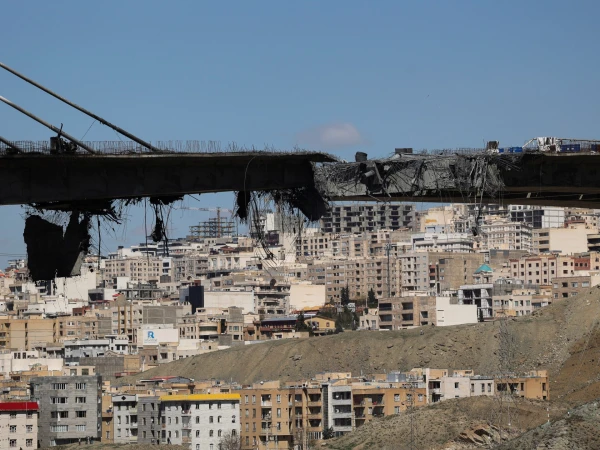
Military analysts and regional experts warn that any move by former President Donald Trump to carry out threats against Iran's critical infrastructure could trigger a dangerous escalation with no clear resolution in sight.
According to security specialists monitoring the situation, Iranian forces would likely respond to such attacks with retaliatory strikes of their own, potentially creating a destructive feedback loop that would further destabilize the already volatile Middle East region.
"This isn't a scenario with a clean endpoint," explained one Middle East policy analyst who requested anonymity due to the sensitivity of the topic. "Each action would prompt a reaction, and each reaction would demand another response. We've seen this pattern before in regional conflicts, and it typically ends with widespread destruction and no clear victors."
Regional stability experts note that Iran has demonstrated both the capability and willingness to respond to perceived threats through various means, including cyber attacks, proxy forces, and direct military engagement. The country's leadership has consistently framed defensive actions as necessary responses to external aggression.
"The infrastructure in question isn't just military installations," noted a security consultant with experience in the region. "We're talking about power grids, water systems, transportation networks—the very foundations of civilian life. Targeting these would cross a threshold that could make de-escalation extremely difficult."
International relations scholars point to historical precedents where tit-for-tat military exchanges have spiraled into prolonged conflicts with devastating humanitarian consequences. They emphasize that while political rhetoric often focuses on decisive victories, the reality of modern asymmetric warfare frequently involves protracted engagements with mounting costs on all sides.
The warnings come amid heightened tensions and renewed discussions about potential policy directions, with experts urging careful consideration of long-term consequences over short-term tactical advantages in any strategic planning regarding Iran.