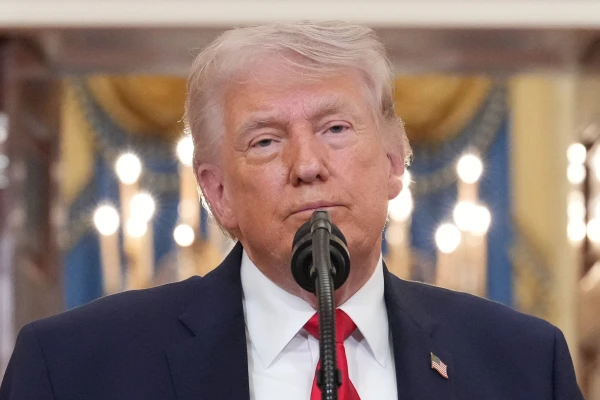
A late-night social media outburst from former President Donald Trump, demanding the removal of a Fox News host, has ignited a fresh debate among experts about the boundaries of presidential influence and media independence.
Political scientists, media analysts, and First Amendment scholars are dissecting the incident, which saw Trump publicly call for a specific host to be taken "off the air." The demand, made via his Truth Social platform, has raised significant questions about the appropriate relationship between political figures and news organizations.
"This is a textbook example of attempting to exert pressure on a free press," said Dr. Eleanor Vance, a professor of political communication at Georgetown University. "When a figure of immense political influence singles out a journalist or host, it creates a chilling effect that extends far beyond that one network. It tests the resilience of editorial independence."
Legal experts point to the First Amendment protections that shield media outlets from government coercion. While a private citizen can express any opinion about coverage, the context changes dramatically when that citizen is a former president with a massive platform and ongoing political influence.
"The First Amendment protects Fox News's right to air whoever they choose, and it protects the former president's right to criticize them," noted constitutional lawyer Michael Chen. "The concerning element is the power dynamic. A demand from such a figure isn't just criticism; it's perceived as a threat to the network's business and political standing. The real test is whether the media outlet can withstand that pressure and maintain its editorial judgment."
Media analysts observe that the incident reveals the ongoing, complex symbiosis between certain media ecosystems and the political figures they cover. The demand, and the network's subsequent response—or lack thereof—is seen as a barometer for where the line is drawn between reporting on power and being influenced by it.
"This isn't just about one host or one show," added media critic Sarah Lin. "It's a flashpoint in the larger struggle for the soul of political media. Does it serve the audience with rigorous reporting, or does it bend to the will of powerful subjects to maintain access and favor? The reaction to this demand tells us a lot about the current state of that balance."
The consensus among experts is that such public attempts to dictate editorial decisions undermine the foundational role of a free press in a democracy. The story continues to develop as commentators, lawmakers, and the public watch to see how the network navigates the intersection of ratings, politics, and journalistic integrity.