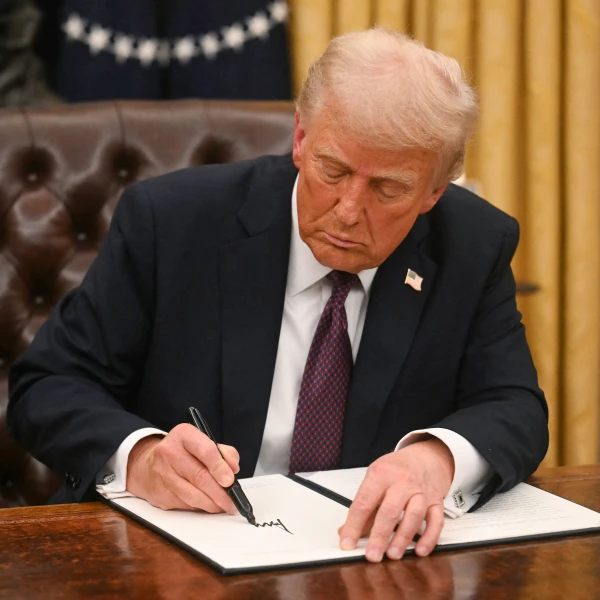
In a controversial move that has sparked national debate, former President Donald Trump's mass pardon of approximately 1,500 individuals convicted for their roles in the January 6 Capitol riots has led to a disturbing pattern of recidivism, with many now facing new criminal charges ranging from violent assaults to child abuse.
"These pardons weren't just dangerous; they were deeply unjust," argues The New York Times editorial board, highlighting what they see as a failure to prioritize public safety.
Among those granted clemency, several have since been implicated in serious offenses. Andrew Paul Johnson, originally imprisoned for his involvement in the Capitol breach, received a life sentence in March for molesting two children after his release. Jake Lang, another pardoned rioter, faces felony vandalism charges and organized an anti-Muslim rally that turned violent.
Legal experts note that while Article II of the Constitution grants presidents broad pardon powers, historical precedent shows most executives exercised restraint, typically issuing clemency sparingly at term's end to avoid public backlash. Trump's approach has broken from this tradition, with his administration granting clemency to high-profile figures including Ross Ulbricht, founder of the Silk Road dark web marketplace, and a former Honduran president convicted of cocaine trafficking.
The ripple effects extend beyond these headline cases. Since receiving pardons, multiple January 6 participants have been charged with new crimes: Zachary Alam with burglary, Bryan Betancur with assault and battery, Christopher Moynihan with harassment after threatening a political figure, and Daniel Tocci convicted of possessing over 100,000 child sexual abuse images.
Critics argue these developments expose fundamental flaws in a pardon system that appears to prioritize political loyalty over careful evaluation of who deserves a second chance. The editorial board contends that Trump and his Republican allies should face political consequences for what they characterize as reckless use of executive clemency power.
As the 2026 midterm elections approach, the debate over presidential pardon authority and its impact on public safety continues to intensify, with victims' advocates and law enforcement officials expressing concern about the long-term implications of releasing convicted offenders without adequate safeguards.