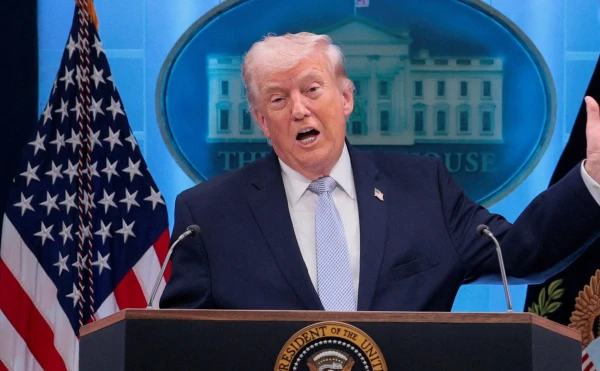
Former President Donald Trump has issued a stark warning to countries supplying weapons to Iran, proposing to impose 50% tariffs on any nation that provides military equipment to Tehran. The declaration, made during a campaign event, represents a significant escalation in rhetoric regarding international arms trade policies.
Analysts have raised immediate questions about the proposal's legal foundations and practical implementation. "It's not clear under what legal authority Trump can tack on this tariff," noted one foreign policy expert, adding that many observers consider the announcement "an empty threat" given existing trade regulations and international agreements.
This tariff threat emerges amid ongoing tensions in the Middle East and reflects Trump's continued preference for economic measures as foreign policy tools. The proposed penalties would target nations that maintain arms trade relationships with Iran, potentially affecting several countries that have supplied military equipment to Tehran in recent years.
While the announcement has generated attention in political circles, its actual impact remains uncertain without specific legislative mechanisms or executive authority to implement such sweeping trade restrictions. The proposal underscores the evolving debate about using economic pressure to influence international arms proliferation.