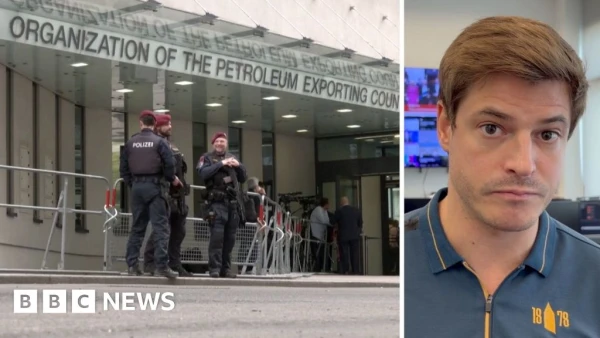
The United Arab Emirates has announced its withdrawal from the Organization of the Petroleum Exporting Countries (OPEC) after nearly 60 years of membership. The decision marks a significant shift in the global oil landscape, as the UAE is one of the world's top crude producers.
OPEC, a group dominated by Gulf oil exporters, has long coordinated production levels to influence global crude prices. The UAE's exit weakens the cartel's grip on the market, potentially leading to lower prices for consumers but also raising uncertainty about future supply agreements.
Energy analysts say the move reflects the UAE's ambitions to ramp up its own production capacity independently. By leaving OPEC, the Gulf nation can set its own output targets without being constrained by group quotas. This could benefit oil-importing countries and drivers at the pump through lower prices.
However, the departure could also destabilize OPEC's influence, making it harder for remaining members to manage global supply effectively. The ripple effects may be felt in fuel costs and energy security worldwide.
"The UAE's exit is a real blow to OPEC's unity and could reset the balance of power in the oil market," said one industry expert.
For the average consumer, the short-term outlook is uncertain. If the UAE increases production, lower oil prices could ease inflation. But if geopolitical tensions escalate or other producers follow suit, volatility may rise.
As the UAE charts its own course, the world will be watching how this decision reshapes energy dynamics for years to come.