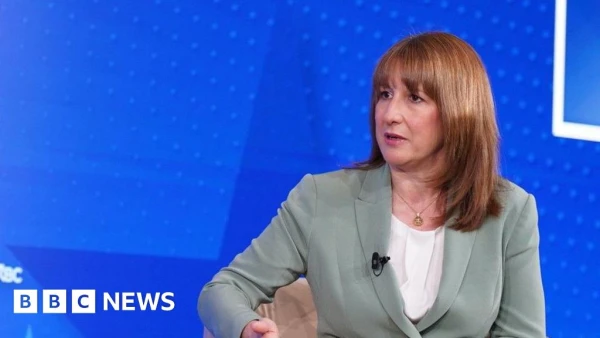
UK Chancellor Rachel Reeves has sharply criticized the United States' decision to abandon diplomatic talks with Iran and engage in military conflict, calling it a "mistake" that threatens global economic stability.
Speaking at the CNBC Invest in America Forum in Washington DC, Reeves argued that de-escalation represents the optimal economic strategy for both the UK and the international community. "The best economic policy now, not just for the UK, but globally, is to de-escalate," she stated.
Reeves expressed skepticism about the conflict's impact on global security, remarking, "I'm not convinced that this conflict has made the world a safer place." She highlighted the economic repercussions, noting that the UK—as a net importer of gas—faces particular vulnerability. Energy prices have surged since hostilities began over six weeks ago, significantly reducing traffic through the critical Strait of Hormuz shipping route.
The chancellor revealed that UK Prime Minister Sir Keir Starmer and French President Emmanuel Macron will convene talks on Friday to explore ways to facilitate navigation through the Strait of Hormuz should a "proper ceasefire" materialize. However, she pointedly observed, "The Strait of Hormuz was open, there was no tolling, a few weeks ago."
Reeves acknowledged sharing the Trump administration's disapproval of the Iranian regime but emphasized diplomatic solutions. "Iran did not currently have a nuclear weapon and the best way to stop them was through diplomacy," she asserted. "There was a diplomatic channel open, conversations, formal discussions were happening. I think it was a mistake to end those and to enter into conflict."
She voiced frustration over the lack of clarity regarding US objectives in the conflict, questioning whether the aim was regime change, halting Iran's nuclear program, or restarting negotiations that were already underway before the war.
Despite her pointed criticism, Reeves maintained that the UK-US relationship remains strong, citing the upcoming visit of the King as evidence. "Friends are allowed to disagree," she noted when asked about tensions affecting the "special relationship."
Her comments come as the International Monetary Fund warns that the US-Israel war with Iran could trigger a global recession, with the UK projected to suffer the most severe economic impact among advanced nations. The IMF has revised its UK growth forecast for this year downward to 0.8%, a significant drop from the 1.3% predicted before hostilities began.
Reeves expressed confidence in the UK economy's resilience, stating, "We beat the forecasts for the UK economy last year. I'm confident we'll beat them again." However, she conceded that ending the conflict would boost growth and reduce inflation.
In contrast, US Treasury Secretary Scott Bessent has defended the military action, telling the BBC that "a small bit of economic pain" is justified for long-term international security, arguing that US and Israeli operations have mitigated the risk of Iranian nuclear strikes against Western nations.
The UK government has clarified that it will not participate in the US military blockade of the Strait of Hormuz and maintains there is "no assessment" that Iran is attempting to target Europe with missiles.