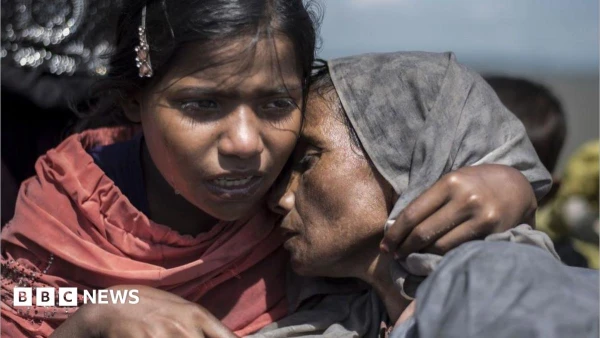
The International Court of Justice (ICJ) is poised to issue a historic judgment on Myanmar’s alleged genocide against the Rohingya minority. After years of legal battles, the world’s highest court will decide whether the military’s 2017 crackdown, which forced more than 700,000 Rohingya to flee to Bangladesh, meets the legal definition of genocide.
Background Myanmar’s military has long been accused of systematic violence, mass killings, and forced displacement targeting the predominantly Muslim Rohingya population in Rakhine State. In 2019, the Gambia, on behalf of the Organisation of Islamic Cooperation, filed a case at the ICJ alleging that Myanmar breached the 1948 Genocide Convention.
The Court’s Process Over the past three years, both sides have presented extensive evidence, including satellite imagery, survivor testimonies, and forensic reports. The judges have repeatedly urged Myanmar to comply with provisional measures that call for the protection of the Rohingya and the prevention of further atrocities.
“The International Court of Justice must uphold its mandate to prevent and punish genocide, no matter how politically sensitive the case,” said a spokesperson for the United Nations Human Rights Office.
Potential Impact If the judges find Myanmar guilty, the ruling could compel the country to take concrete steps—such as ensuring safe repatriation, granting citizenship rights, and allowing independent investigations—under international law. While the ICJ cannot enforce criminal penalties directly, its decisions carry significant moral and diplomatic weight, influencing sanctions, aid, and global public opinion.
Reactions Bangladesh’s Prime Minister expressed hope that a decisive verdict would finally bring justice for the displaced Rohingya and pave the way for their safe return. Conversely, Myanmar’s military junta dismissed the proceedings as “foreign interference” and warned of “unjust” consequences.
The upcoming judgment, expected later this month, is being closely watched by human‑rights groups, regional leaders, and the broader international community, all eager to see whether international law can hold powerful actors accountable for mass atrocities.