The United States military has declared it will enforce a naval blockade on all maritime traffic entering and exiting Iranian ports starting Monday, escalating tensions in the strategic Strait of Hormuz. The announcement follows failed negotiations to end the ongoing conflict that began on February 28.
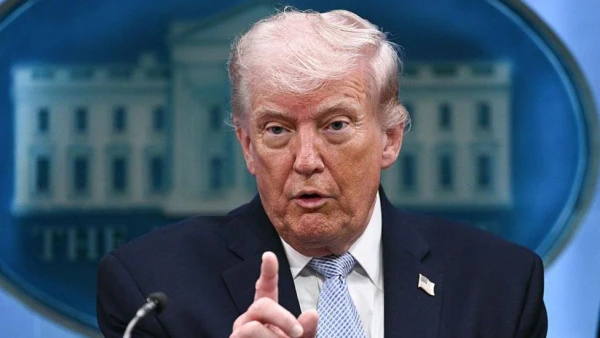
President Donald Trump announced the blockade on social media, stating: "We are going to start BLOCKADING any and all Ships trying to enter, or leave, the Strait of Hormuz." He added that the U.S. Navy would intercept vessels in international waters that have paid tolls to Iran and would destroy mines allegedly laid by Iran in the waterway.
"Any Iranian who fires at us, or at peaceful vessels, will be BLOWN TO HELL!" Trump declared in his post.
The U.S. Central Command confirmed the blockade would begin at 10:00 EDT Monday, applying impartially to vessels of all nations entering or departing Iranian ports in the Arabian Gulf and Gulf of Oman. The command emphasized that ships traveling to non-Iranian ports would not be impeded.
According to the U.S. Navy's operational guidelines, a blockade is defined as a "belligerent operation to prevent vessels and/or aircraft of all States, enemy and neutral, from entering or exiting specified ports, airfields, or coastal areas belonging to, occupied by, or under the control of an enemy State."
Trump indicated that other nations would participate in the blockade effort, mentioning NATO's offer to help "clean out" the strait. While he suggested the United Kingdom would contribute minesweepers, British officials confirmed the UK would not participate in the blockade itself, though they support freedom of navigation in the vital waterway.
A UK Government spokesperson stated: "We continue to support freedom of navigation and the opening of the Strait of Hormuz, which is urgently needed to support the global economy and the cost of living back home. The Strait of Hormuz must not be subject to tolling."
Legal experts have raised concerns that the blockade could violate maritime law and potentially breach existing ceasefire agreements. The move appears designed to pressure Iran economically by cutting off revenue from tolls charged for passage through the narrow strait, which Iran has used as leverage throughout the conflict.
Shipping analyst Lars Jensen noted the immediate impact might be limited: "If this is actually done by the Americans, it will halt a very tiny trickle of vessels. In the greater scheme of things, it doesn't really change anything." He added that few ships currently pass through the strait and even fewer pay tolls to Iran, with those that do already facing U.S. sanctions.
The blockade announcement has sparked political debate in Washington, with Republican Congressman Mike Turner calling it a means to force resolution while Democratic Senator Mark Warner questioned how blocking the strait would pressure Iran to open it. The situation continues to develop as the Monday enforcement deadline approaches.