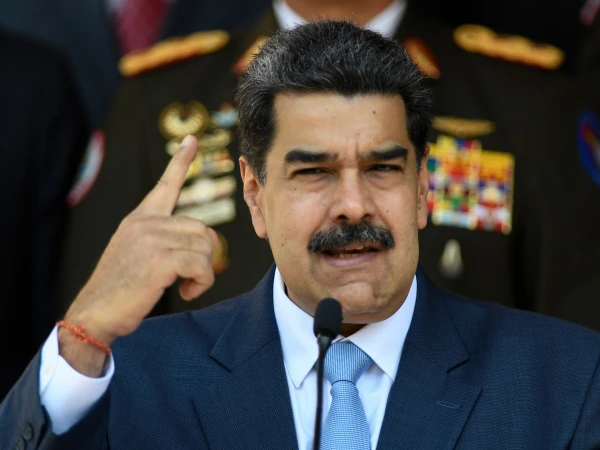
The United States has agreed to ease certain sanctions on Venezuela to permit the government in Caracas to cover legal fees for former President Nicolás Maduro, who is on trial in New York on drug trafficking charges after being abducted by U.S. forces in January.
In a court filing, U.S. Department of Justice lawyers agreed to modify the sanctions, making the defense's motion to dismiss the case "moot." Maduro's lawyer, Barry Pollack, had argued that the prohibition on Venezuelan government payment violated Maduro's right to counsel of his choice.
The move is the latest development in a closely watched trial that has raised legal questions about Maduro's status as a former head of state and the circumstances of his capture. Critics have condemned the proceedings as illegitimate, citing the extraordinary U.S. military operation to abduct Maduro and his wife, Cilia Flores, from Venezuela. Legal experts have described the raid as a violation of international law.
The Trump administration maintains the abduction was a law enforcement operation supported by the military, arguing it does not recognize Maduro as Venezuela's legitimate leader following contested elections.
Under international law, sitting heads of state typically enjoy immunity from foreign national courts. Maduro and Flores have pleaded not guilty and remain jailed in Brooklyn. Maduro has rejected the charges as a pretext for seizing control of Venezuela's natural resources, a claim bolstered by President Donald Trump's stated desire for foreign access to the country's oil reserves.
During a March 26 hearing, Judge Alvin Hellerstein did not signal he would dismiss the case but questioned whether sanctions preventing Venezuela from paying legal fees violated Maduro's constitutional rights. Prosecutors had argued the sanctions were based on national security interests and that the executive branch oversees foreign policy, adding that Maduro and Flores could use personal funds for legal counsel.
"The defendant is here, Flores is here. They present no further national security threat," Hellerstein said. "The right that’s implicated, paramount over other rights, is the right to constitutional counsel."