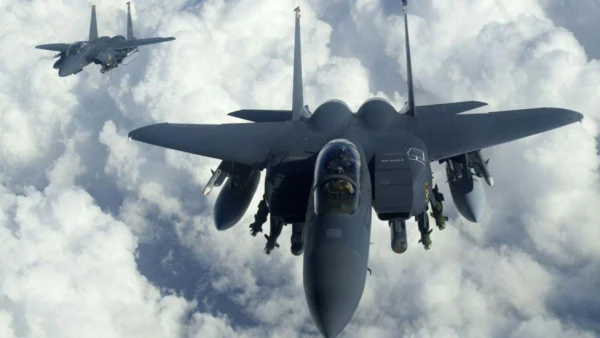
A U.S. F-15E Strike Eagle fighter jet was shot down over southern Iran on Friday, sparking an intense search-and-rescue operation for a missing crew member. While one airman was successfully recovered by U.S. forces, the fate of the second—a weapons systems officer—remains unknown as teams navigate hostile terrain.
Iranian authorities claim their air defense systems brought down the aircraft, though Washington has yet to issue an official statement. The incident occurred in a remote, mountainous region, possibly within the provinces of Kohgiluyeh and Boyer-Ahmad or Khuzestan—areas known for nomadic tribes who reportedly fired on U.S. rescue helicopters.
"It's the most dangerous military mission that I know of," said James Jeffrey, a former U.S. diplomat and military strategist. "These are Air Force special operations people trained almost to the level of Delta Force. They will not give up until they can find a pilot if they think there's any chance."
The rescue effort, a complex combat search-and-rescue (CSAR) operation, involves highly specialized personnel scouring the area in Black Hawk helicopters. Crews are prepared to parachute into the zone if necessary, prioritizing contact with the missing airman, who is trained in evasion and survival techniques.
Iranian state media has announced rewards of approximately $66,100 for citizens who assist in capturing the U.S. crew member, adding a perilous dimension to the search. Analysts suggest the incentive could galvanize local populations already angered by recent hostilities.
"When you bomb people who are angry and have just lost their families, they have every reason to attack you or try to capture you, and the money is an additional incentive," noted Sina Azodi, a Middle East politics professor. "It's clear now that it's a war against the country."
The F-15E, a dual-role aircraft capable of air-to-ground and air-to-air missions, was likely engaged in defensive operations against Iranian drones or missiles. Its downing—potentially by a surface-to-air missile—highlights the escalating risks in the region, as rescue teams face what one expert described as a "harrowing and dangerous" mission amid ongoing tensions.