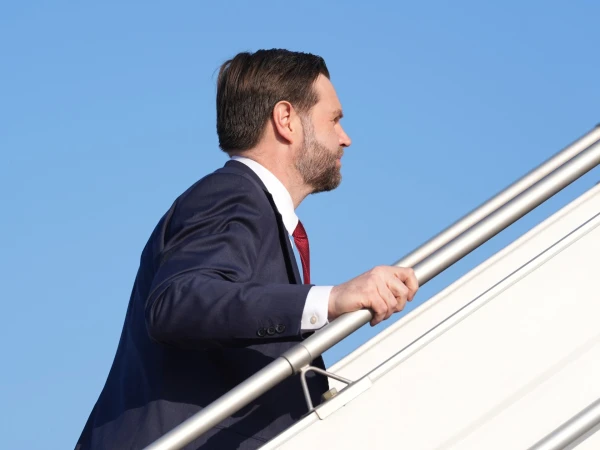
High-stakes negotiations between the United States and Iran concluded in Pakistan without producing a peace agreement, as both sides offered conflicting explanations for the impasse.
American Vice President JD Vance stated that Iranian officials declined to accept U.S. conditions during the extended discussions. "We presented clear terms for de-escalation and regional stability," Vance remarked. "Iran ultimately chose not to move forward at this time."
Iranian representatives countered that expectations for an immediate resolution were unrealistic. A senior Iranian diplomat noted, "This was an initial exploratory meeting. We did not anticipate reaching a comprehensive agreement in a single session."
The talks, described by observers as a diplomatic marathon, represent the first direct high-level engagement between the two nations in over a year. Analysts suggest the failure to secure a deal underscores persistent tensions over nuclear programs, regional proxy conflicts, and economic sanctions.
"When two sides enter negotiations with fundamentally different expectations, breakthrough becomes improbable," commented regional affairs expert Fatima Al-Rashid. "The fact they talked at all is significant, but the substantive gaps remain wide."
Neither government has announced plans for follow-up meetings, leaving the future of bilateral dialogue uncertain amid ongoing geopolitical friction.