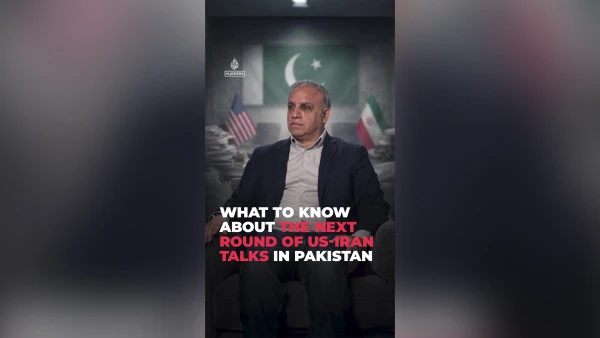
Diplomatic tensions are mounting as the United States and Iran prepare for what could be a pivotal round of direct negotiations in Pakistan this Tuesday. The talks, aimed at addressing ongoing nuclear concerns and regional stability, now hang in the balance amid growing speculation that Iranian officials might boycott the meeting.
Sources close to the negotiations indicate that Tehran has yet to confirm its delegation's attendance, raising questions about the future of diplomatic efforts between the long-time adversaries. The potential absence of Iranian representatives would mark a significant setback for international efforts to revive dialogue following months of stalled progress.
"The window for constructive engagement is narrowing," observed a senior diplomatic analyst. "Both sides have competing priorities, and trust remains in short supply. If Iran skips this meeting, it could signal a return to more confrontational postures."
American officials have maintained that they remain prepared to engage in good-faith discussions, emphasizing the importance of addressing Iran's nuclear program and its regional activities. The Pakistan-hosted talks were intended to build on previous exchanges, but the uncertainty surrounding Iranian participation has cast doubt on whether substantive progress can be achieved.
Regional experts note that the timing is particularly sensitive, with multiple geopolitical flashpoints simmering across the Middle East. The outcome of Tuesday's planned meeting—or its potential cancellation—could have far-reaching implications for international security and diplomatic relations in the coming months.