Cyberattacks on US Water Supplies: A Growing Concern
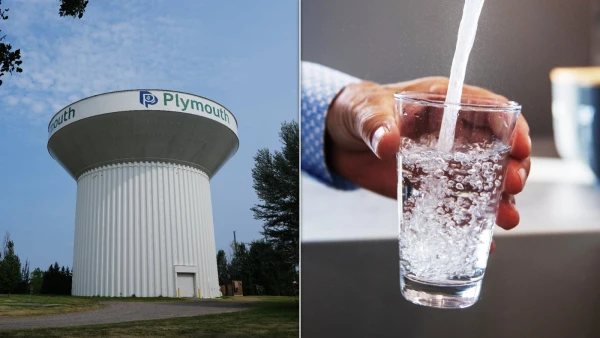
Over the past week, a coordinated cyberattack hit more than 30 community water systems in Minnesota, part of a broader surge in hacking attempts targeting water and wastewater infrastructure across the country. Federal agencies, including the Federal Bureau of Investigation, Environmental Protection Agency, and Cybersecurity and Infrastructure Security Agency, have issued warnings to water utility operators to follow strict protocols and take steps to reduce the risk of disruption.
"I'm increasingly worried about overdependence on undependable technology," said Joshua Corman, executive in residence for public safety and resilience at the Institute for Security and Technology. "There are critical infrastructure sectors that, if disrupted, could lead to losses of life."
Understanding the Threat
The attacks target programmable logic controllers (PLCs), small devices that monitor pressure sensors and chemical levels, and control pumps and valves. Hackers have been quietly compromising these devices, shutting off alarms and alerts without yet causing obvious damage. According to CISA, the newest alert showed how they're hiding and silencing or subverting trip wires and alarms.
Potential Consequences
Cyberattacks could create unsafe drinking water, allowing untreated water into the system or ineffective treatment of water. In the current Minnesota situation, there have been no reports of contaminated water, but the possibility exists in more serious scenarios, especially with stealth actions like turning off alerts. Federal agencies have pointed to a loss of monitoring and control capabilities, loss of water pressure, and flooding as effects of the latest wave of attacks.
Preparing for the Worst
Major water system disruptions can impact hospitals, fire hydrants, chemical manufacturing, HVAC systems, and more. To prepare, individuals can take small steps, such as storing some water and knowing their purification options. Stocking up with water would certainly help households deal with this situation, and a stock of clean water is a good idea for everybody to have. A household should have a gallon of water per day per person — half to drink, half for food preparation and hygiene — multiplied by the number of days you want to be prepared to be without water.
"The old suggestion was to prepare for three days without water, but threats to infrastructure from extreme weather events and now cyberattacks suggest that this may be too little," said Begley. "Aiming for a two-week supply of water if possible would be a more practical approach."
Individuals should also know their purification options and their limits. Water filters, either the home type or camping filters, are not water purifiers and cannot completely replace the treatment that a municipal water treatment system provides.