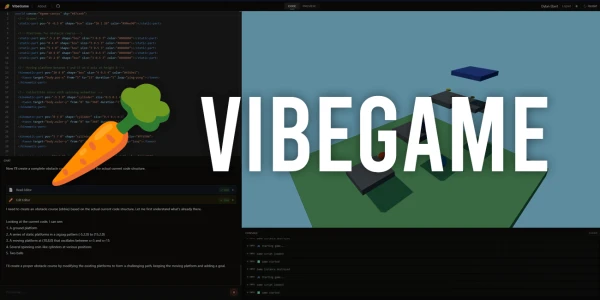
A new trend called 'Vibe Coding' is merging the logic of programming with the freedom of creative expression, and a project named VibeGame is at the forefront. The concept focuses on the emotional and intuitive aspects of coding, treating game development as an art form rather than a purely technical exercise.
Developers describe VibeGame as an exploration of how code can evoke feelings and atmospheres, much like music or visual art. The approach encourages programmers to prioritize mood and user experience over strict performance benchmarks, using expressive code structures and unconventional design patterns.
Early adopters praise the method for making coding more accessible and enjoyable, especially for those who find traditional software engineering rigid. By emphasizing the 'vibe,' the project aims to attract artists, musicians, and storytellers into game development, breaking down barriers between technical and creative roles.
Critics, however, warn that Vibe Coding may lead to inefficient or unmaintainable code if taken to extremes. Still, proponents argue that the focus on creativity can yield innovative gameplay and unique experiences that purely functional code might miss.
As VibeGame continues to evolve, it challenges the tech industry to rethink the relationship between code and emotion, potentially reshaping how we teach and practice programming in the future.