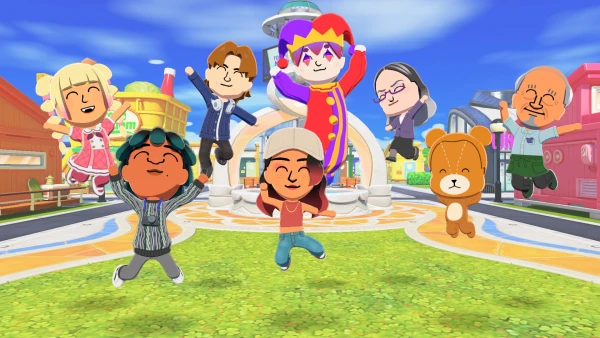
In the realm of virtual life simulation games, two titles have captured the hearts of players worldwide: Animal Crossing: New Horizons and Tomodachi Life. While both games share a common theme of creating and managing a digital world, they offer distinct experiences that cater to different player preferences.
Animal Crossing: New Horizons immerses players in a serene island paradise where they can build their dream home, cultivate gardens, and interact with charming animal villagers. The game operates in real-time, syncing with the player's local clock and calendar, which creates a sense of continuity and daily engagement. Players are encouraged to collect resources, craft items, and gradually develop their island into a personalized haven. The social aspect is strong, with opportunities to visit friends' islands and trade items, fostering a sense of community.
On the other hand, Tomodachi Life presents a more whimsical and unpredictable experience. Players create Miis—customizable avatars representing themselves, friends, or celebrities—and place them on an island where they live in an apartment building. The game focuses on the interpersonal dynamics between these characters, who develop relationships, have quirky conversations, and engage in humorous mini-games. Unlike Animal Crossing's structured progression, Tomodachi Life thrives on spontaneity, with events unfolding based on the personalities and interactions of the Miis.
A key difference lies in the level of demand each game places on the player. Animal Crossing: New Horizons often requires consistent attention, with daily tasks like watering plants, checking in on villagers, and participating in seasonal events to maintain progress. This can feel rewarding but also time-consuming. In contrast, Tomodachi Life is generally less demanding, allowing players to drop in and out without fear of missing critical developments. The game's charm comes from observing the often absurd and lighthearted antics of the Miis, rather than from a grind for resources or achievements.
Both games excel in their own right, offering unique takes on virtual life simulation. Animal Crossing appeals to those who enjoy creativity, routine, and a slower-paced, immersive world, while Tomodachi Life caters to players seeking humor, unpredictability, and a more casual experience. Ultimately, the choice between them depends on whether one prefers the structured dream of island living or the chaotic comedy of Mii-filled adventures.