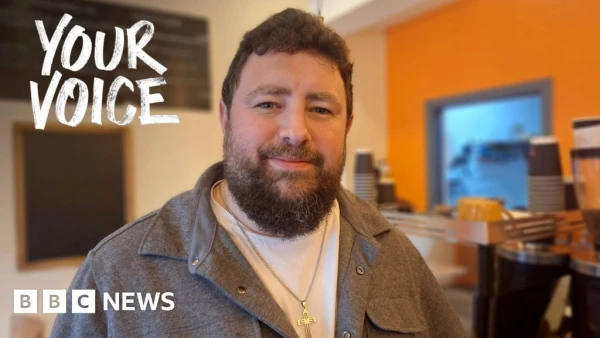
Daniel King, a 36-year-old HGV driver in Cardiff, earns £36,000 a year but says buying a home is impossible without inherited wealth. Despite working 50–60 hours weekly, he spends 65–70% of his income on rent, council tax, and bills for a one-bedroom flat in Grangetown, paying £900 a month.
“I work hard and just want to be able to call a place mine, which I don’t think I could do,” King told the BBC. He can afford mortgage payments but cannot save the deposit, describing the housing market as inaccessible for single earners without generational wealth.
Shelter Cymru’s new research declares a “crisis of unaffordability” in Wales’ private rented sector. The charity’s head of campaigns, Robin White, said rent, council tax, and basic utilities should cost under a third of income, but many earning £2,000–£2,300 monthly struggle. “Wales has seen the fastest rate of rising rents in Britain,” he noted.
The charity reports that up to half of the 20,000 people it helps yearly face affordability issues, with rising homelessness and record numbers in temporary accommodation. White urged the next Welsh government to prioritize housing.
Landlord representative Douglas Haig of the National Residential Landlords Association said increased costs and new regulations have pressured landlords, with some raising rents in anticipation of rent controls. He called for better data through a Welsh Housing Survey.
Political parties have responded:
- Plaid Cymru proposes a national body to accelerate social housing, limit rent increases, and end no-fault evictions.
- Welsh Conservatives pledge to scrap stamp duty to help first-time buyers.
- Welsh Labour promises 100,000 homes over ten years, including 40,000 low-carbon social rentals.
- Reform UK plans more housebuilding and prioritizing Welsh locals and veterans for social housing.
- Welsh Liberal Democrats aim to build 30,000 social homes and ensure freehold sales to eliminate hidden fees.
The Wales Green Party has not yet commented.